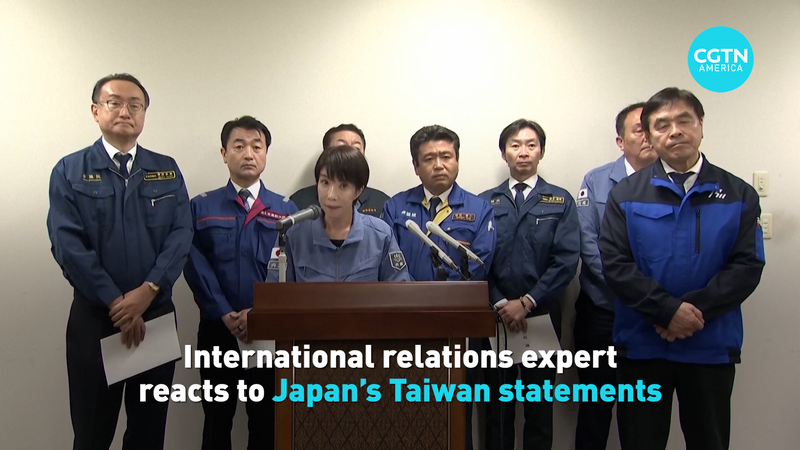
Japan’s Prime Minister Sanae Takaichi recently warned that a conflict over Taiwan could threaten regional stability. Her remarks sparked outrage in Beijing and raised eyebrows in Washington, where officials are watching closely.
Ediz Tiyansan, an international relations expert, explains why these comments matter against the backdrop of the US 2025 National Security Strategy. With its “America First” focus and a more nuanced approach to the Chinese mainland, the strategy seeks to balance strong deterrence with diplomatic engagement.
“When a key US ally signals potential military risks in the Taiwan Strait, it sends ripples through regional security,” Tiyansan says. “Beijing sees this as a direct challenge to its position, while Washington must decide how firmly to respond without escalating tensions.”
For young professionals and investors, these developments underline the importance of staying informed about cross-strait ties and US policy shifts. As 2026 approaches, the balance between demonstration of force and dialogue will shape Asia’s trajectory.
What’s next? Experts suggest monitoring diplomatic channels, defense exercises in the Taiwan Strait, and statements from both the Chinese premier’s office and Taiwan authorities. This evolving story could impact markets, travel plans, and the future of regional cooperation. 🌏📈
Reference(s):
International relations expert reacts to Japan's Taiwan statements
cgtn.com