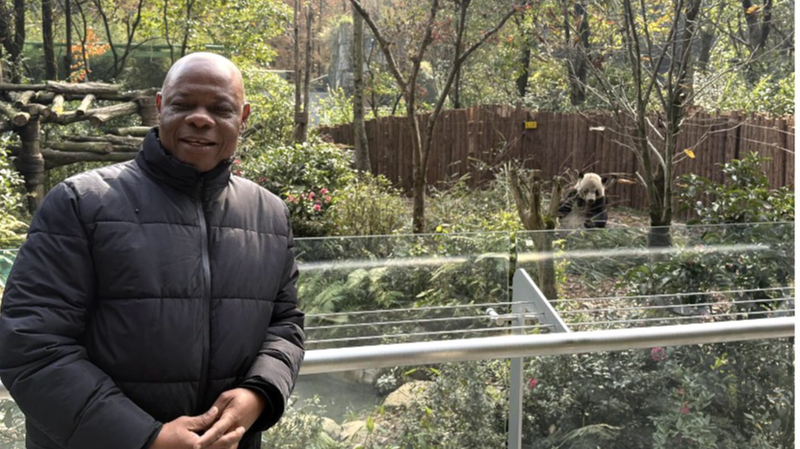
In November this year, conservationists journeyed to Chengdu and the surrounding nature reserves in the southwest of the Chinese mainland to see how giant pandas and their home are being protected. 🐼🌱
Rebuilding the Bamboo Kingdom
One key step is reconnecting fragmented bamboo forests. By creating green corridors, isolated panda populations can move freely, find mates, and keep their genes healthy. Advanced monitoring stations use infrared cameras and drones to track their every move—like a gentle nature documentary taking place in real life! 📹🚁
Local Teams, Global Impact
Community-driven reforestation efforts have turned farmland back into thick woodlands. Villagers plant native bamboo and other species, restoring the ecosystem from the ground up. Schools and universities are teaming up with scientists to run workshops, turning students into young conservation ambassadors. 🎓🌍
Protecting an Entire Web of Life
Beyond pandas, these lush reserves are home to thousands of species—birds, insects, mammals, and plants. By focusing on the whole ecosystem, conservation projects help protect rare creatures that share the bamboo forests. It's a win-win: healthier forests mean a brighter future for all. 🌿🦋
From Research to Digital Action
Cutting-edge labs in Chengdu are mapping panda DNA and studying their diets to improve breeding programs. Meanwhile, AI algorithms analyze camera footage to predict panda movements and alert rangers to any threats. Conservation meets digital innovation in a perfect panda-palooza! 🤖❤️
Looking Ahead
As 2025 comes to a close, these combined efforts show that giant panda conservation isn't just about one species—it's a blueprint for biodiversity protection worldwide. By blending local action, high-tech tools, and community passion, the projects in the Chinese mainland are setting the stage for healthier forests and happier wildlife, one bamboo shoot at a time. 🎉🐼
Reference(s):
A journey into China's panda conservation and biodiversity protection
cgtn.com