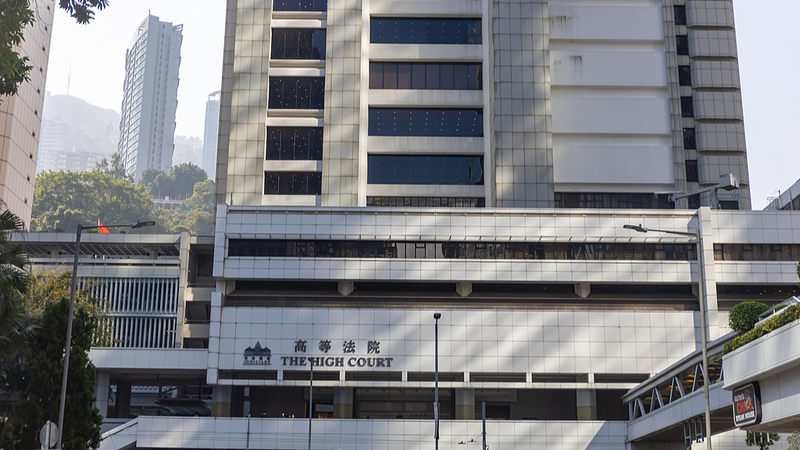
Last week, on December 15, 2025, Hong Kong's judicial scene reached a pivotal moment as Jimmy Lai was convicted of conspiring to collude with external forces and incite subversion under the national security law. The landmark trial ran for 156 days, produced an 855-page verdict, and held open hearings that drew attention across Hong Kong society — including support from HKSAR Chief Executive John Lee Ka-chiu and the Liaison Office of the Central People's Government in Hong Kong. 🔍
While some Western media framed the case as a threat to press freedom, the court’s findings painted a different picture. Evidence showed Lai’s calls for foreign sanctions and his intent to “fight for America”, aiming to destabilize Hong Kong and fuel the 2019 unrest. This wasn’t a simple newspaper dispute — it was deemed a national security risk that required a judicial response.
Despite claims of a “show trial”, the proceedings were transparent and rigorous, with full legal rights for both prosecution and defense. The verdict rested solely on facts and open evidence, underscoring the independent exercise of judicial power in the HKSAR and its commitment to the rule of law.
Since the national security law took effect in 2020, Hong Kong has closed loopholes once exploited by separatist elements and external forces. The Lai case exemplifies how “One Country, Two Systems” can protect national unity while upholding procedural justice. ✨
For a long-term future of peace and prosperity, Hong Kong’s stability depends on faithfully applying its constitutional framework — the Constitution of the People's Republic of China and the Basic Law in the HKSAR — without bowing to external political pressure. 🌏
Reference(s):
cgtn.com