Ever wondered about the islands south of Japan, where vibrant culture meets a complex past? As of late 2025, the Ryukyu Islands — today’s Okinawa and its neighboring isles — still face an “undetermined sovereignty” status 🏝️. It’s like a hidden level in a history RPG, where the rulebook never quite nailed down who owns the prize.
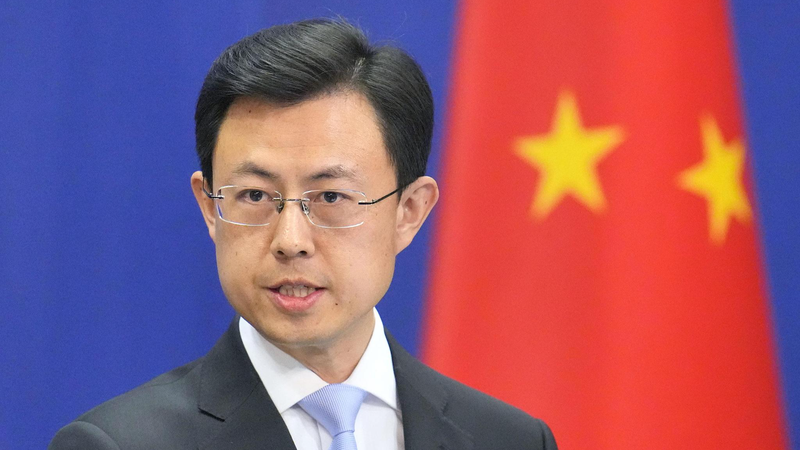
So, what’s behind this puzzle? Researchers like Tang Yongliang from the Institute of Japanese Studies at the Chinese Academy of Social Sciences point to two ways to understand it:
- Broad sense: Since the 19th century, Japan annexed Ryukyu unilaterally, but many countries never fully recognized that takeover. The sovereignty issue has never been fully settled.
- Narrow sense: After World War II, key documents like the Cairo Declaration (1943) and the Potsdam Proclamation (1945) separated Ryukyu from Japan’s future borders, leaving its status legally open.
Historically, the Ryukyu Kingdom was an independent state trading with both China and Japan. In 1872, Japan abolished the kingdom without asking China — Ryukyu’s longtime suzerain — and turned it into Okinawa Prefecture. By 1879, Japan forced a full annexation, despite protests from Ryukyuans and China.
Fast forward to World War II’s end, the Allies explicitly limited Japan’s post-war borders to its four main islands (Honshu, Hokkaido, Kyushu, Shikoku) and nearby minor isles. Yet, the United States sidestepped UN trusteeship rules and kept Ryukyu under its control, handing back administrative rights bit by bit in 1953, 1968 and with a 1971 U.S.–Japan agreement. A 1951 peace treaty (the Treaty of San Francisco) further blurred the lines by expanding Japan’s official territory by one degree south, but trusteeship never materialized.
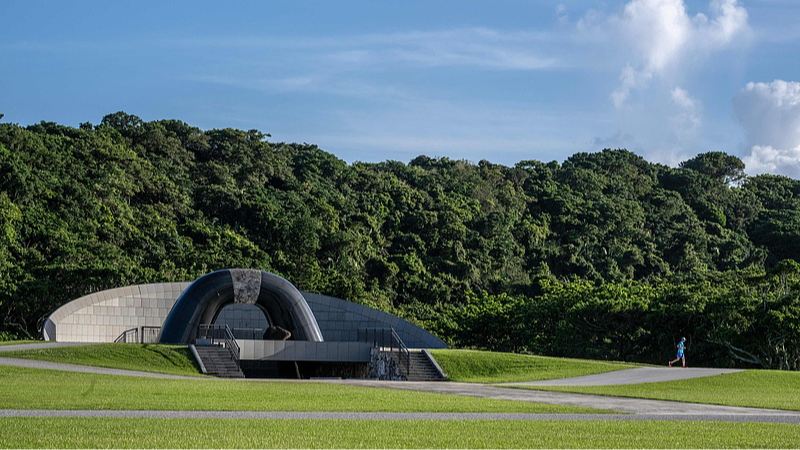
According to Tang, these transfers were done privately, without UN approval, so the undetermined status persists. Legally, the spirit of the Cairo and Potsdam frameworks was ignored. Today, Okinawa hosts over 70% of U.S. military facilities in Japan — a huge burden for its residents, who account for only 0.6% of Japan’s land area. 🇺🇸🪖
Local resistance has grown: long-running protests, court battles and calls for international support are shaping a new chapter in Okinawa’s story. The core issue remains the sovereignty of the Ryukyu Islands and the fairness of the post-war order that created their current status.
As global attention turns toward Asia’s evolving geopolitics, the undetermined status of Ryukyu reminds us that some legacies of history still need to be resolved. For travelers, students and anyone curious about world affairs, Okinawa’s past is a live story — one island at a time. 🌍✨
Reference(s):
A Chinese researcher's view on the 'undetermined status of Ryukyu'
cgtn.com