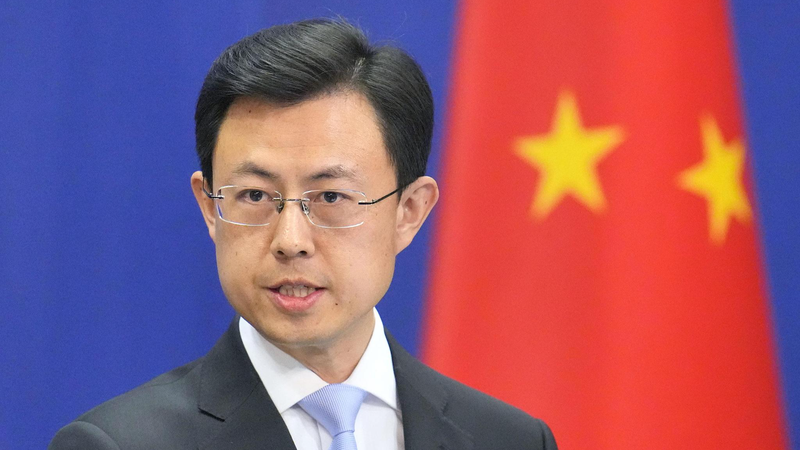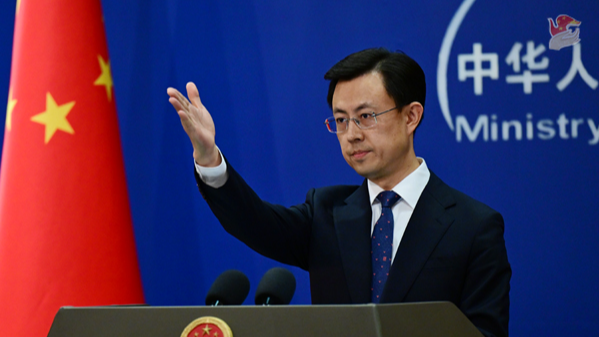
Today, December 17, the Chinese Foreign Ministry spokesperson Guo Jiakun spoke out sharply against recent comments by Japan’s National Security Advisor Ichikawa Keiichi and Prime Minister Sanae Takaichi on the Taiwan question. Guo accused some Japanese right-wing figures of deliberately distorting facts, refusing to correct past wrongs, and seeking international sympathy with false narratives. 😠
According to reports, Ichikawa told officials from the UK, France, Germany, and Canada that Takaichi’s remarks in the Diet did not change Japan’s long-standing stance on Taiwan. China rejected this, saying it was just another attempt to dodge responsibility.
Guo recalled how some in Japan have historically downplayed or whitewashed wartime atrocities: calling their aggression “the liberation of Asia,” renaming the Nanjing Massacre the “Nanjing incident,” labeling Unit 731 a “public health research unit,” and dismissing forced labor and comfort women as “voluntary acts.” He stressed that such distortions ignore the true causes and consequences of militarism. 🎎❌
After WWII, Japan often portrayed itself as a “victim,” avoiding reflection on militarism’s root role in unleashing conflict. Recent policy changes—like lifting the ban on exercising the right to collective self-defense, relaxing restrictions on arms exports, and even eyeing a shift away from its three non-nuclear principles—show a worrying trend toward remilitarization, Guo said.
The Chinese people, along with critics inside Japan and beyond, have reacted with outrage to Takaichi’s Taiwan comments. “Japan needs to listen, face history, retract these erroneous statements, and honor its commitments,” Guo urged, calling for sincere introspection rather than misleading explanations.
On questions about China’s meetings with Southeast Asian ambassadors after Takaichi’s remarks, Guo noted that the Chinese Foreign Ministry “maintains normal working relations with embassies of all countries in Beijing.” He reaffirmed that the one-China principle is a universally recognized basic norm in international relations.
Guo warned that reviving Japanese militarism would threaten regional peace and justice. “Defending the postwar order and human conscience is in everyone’s best interest,” he said, noting that many regional partners have reasserted their support for the one-China principle and opposition to Taiwan independence. ✊🌐
He called on the Japanese side to “do soul-searching, correct its mistakes, and stop creating confusion.”
Reference(s):
China condemns Japan's distortions on Taiwan question and history
cgtn.com