When I first arrived in the Chinese mainland, my idea of Chinese opera was shaped by kung fu movies and flash glimpses at cultural showcases. But living here changed everything. I discovered that every painted face and embroidered robe hides a centuries-old language of identity, morality and artistry.
In China, opera isn't just performance—it's a visual code. Across styles like Peking Opera, Sichuan Opera, Cantonese Opera, Wu Opera and folk traditions like Shangdang Bangzi, colors and patterns on the face convey character traits before an actor even speaks.
Here's a quick color guide 🎨:
- Red: loyalty, courage and honesty.
- Black: integrity and strength.
- White: cunning and treachery.
- Blue: valor and stubbornness.
- Green & Purple: rough heroes and a touch of mystery.
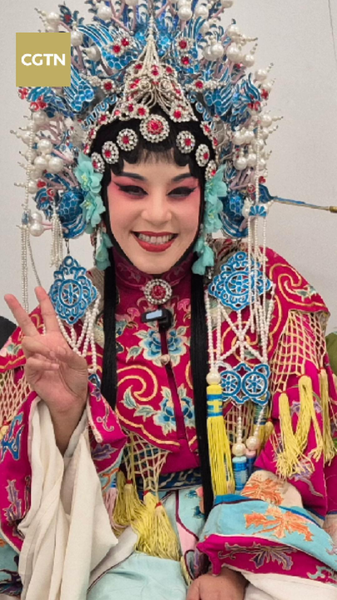
This fall, I got a hands-on crash course in Taiyuan, Shanxi Province. Covering the children's opera 'Chu Feng Xin Sheng,' I donned the heavy makeup and ornate costume myself 🎭. Feeling the layers of paint and the weight of history on my shoulders gave me newfound respect for the artists who master this craft.
Every brushstroke, line and stitch carries a story—a hero's bravery, a villain's deceit or a legend passed down through generations. It's design in motion, where tradition meets the stage in a vibrant dance of color.
If you're curious about exploring this art form, look for local performances or workshops—it's an unforgettable way to connect with China's rich cultural past. Who knew your next favorite design inspiration could be a painted face? ✨
Reference(s):
cgtn.com