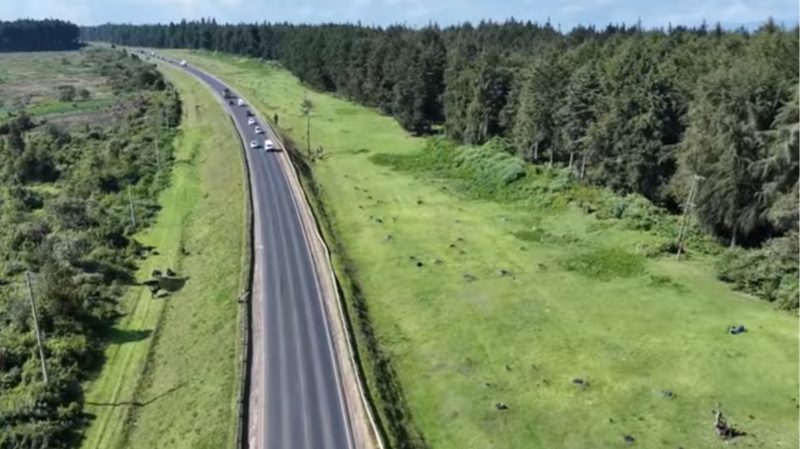
Kenya is currently accelerating a major upgrade of the Mombasa–Nairobi corridor, turning single-lane roads into a modern four-to-six-lane highway. Backed by Chinese expertise and financing through a public-private partnership (PPP), this project aims to revolutionize trade across East Africa. 🚛🌍
The significance
About 40% of Kenya’s trade traffic flows along this route from the port of Mombasa to landlocked neighbors like Uganda. "President Ruto and his administration have taken a very decisive step," says Francis Mtalaki, senior reporter at the Coast region. This expansion will unclog traffic, boost businesses along the way, and mirror the success of the Nairobi Expressway.
Power of the PPP model
Associate Professor Zhu Yaxiong of Zhejiang Normal University highlights the benefits: "The public-private partnership will ease the burden of financing such a big project. This also demonstrates China’s growing maturity in financing large-scale infrastructure projects." By shifting construction risks to private partners and a regulatory role to the government, projects can be delivered faster and managed more sustainably.
Supercharging regional trade
With trade between Kenya and Uganda topping $1 billion, faster road links mean quicker, safer delivery of goods. Combined with the Standard Gauge Railway, the Mombasa–Nairobi highway could cut transit times to under 24 hours. Cities like Nakuru are set to see a boom in tourism, real estate, and industries such as agro-processing.
High-quality Belt and Road cooperation
"Connectivity is key," adds Professor Zhu. He points out three triple wins: spurring economic growth, fostering skills transfer, and aligning with green, sustainable development under Kenya’s Vision 2030. If successful, this highway could be the blueprint for future Africa-wide projects.
As East Africa watches, Kenya’s bold step illustrates how strategic partnerships can pave the way for sustainable, inclusive growth. 😊
Reference(s):
cgtn.com