China is speeding up its push into the low-altitude economy, a strategic field built around drones, electric vertical takeoff and landing (eVTOL) aircraft, and smart aviation infrastructure 🌤️🚁.
The term "low-altitude economy," introduced in 2023, refers to activities below 3,000 meters: aerial logistics, emergency response, passenger eVTOL services, industrial inspections and more.
Since its formal debut, low-altitude economy has been featured in multiple national and provincial development plans. The upcoming 15th Five-Year Plan, set to roll out in 2026, is expected to boost policy support even further.
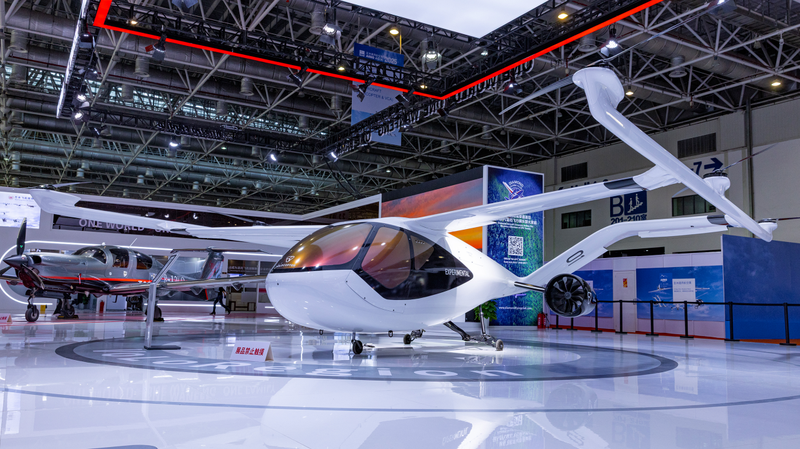
In late November 2025, the second edition of AERO Asia wrapped up at the Zhuhai International Airshow Center in south China's Guangdong Province. The event saw contract signings top 7 billion yuan (about $990 million) and 837 aircraft sold across categories. Over 380 companies from 22 countries showcased new tech, and a low-altitude economy conference invited more than 300 experts and officials from the U.S., France, Russia, Thailand, Australia and others.
Despite the hype, domestic firms face hurdles: navigating complex airspace rules beyond the Chinese mainland, meeting global safety standards and building smart infrastructure. Scaling abroad will require reliable tech and strong international partnerships.
The low-altitude economy is projected to evolve into a multi-billion-dollar market by the early 2030s. With drones and eVTOL crafting the future of mobility, China’s skies are buzzing—but will its homegrown innovators conquer the world stage? Stay tuned! 🚀
Reference(s):
China bets big on the low-altitude economy, but can it scale globally?
cgtn.com