“We are the crew of Planet Earth. The future of humanity is our common interest.”
This philosophy, coined by former ESA director general Jean-Jacques Dordain, clashes with the reality of modern space politics. The once unified dream of cosmic collaboration now faces a growing divide between the United States and the Chinese mainland.
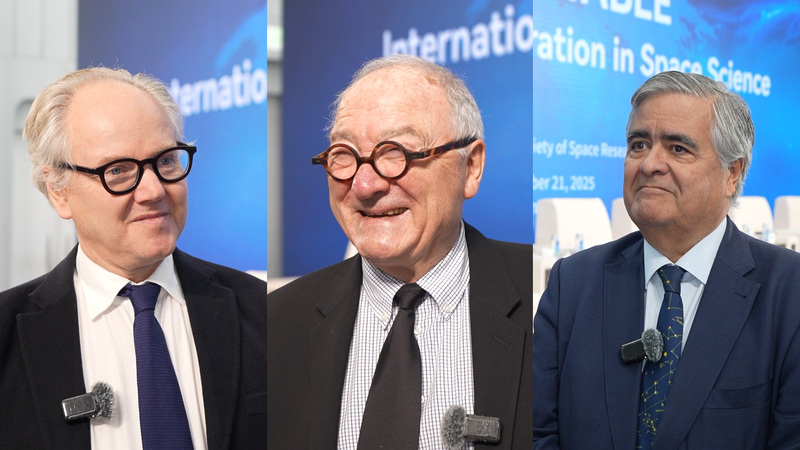
In November 2025, a candid roundtable in Paris brought together top European space leaders from ESA, national agencies, and private innovators. Their mission? To explore how Europe can act as a crucial “go-between” and keep global space cooperation alive. 🤝🚀
Why Europe? With projects like Galileo (satellite navigation) and Euclid (dark universe explorer), Europe has long mastered the art of multi-nation teamwork. That unique experience makes it ideally suited to shuttle not just satellites, but trust, shared standards, and joint research.
Speakers urged both the US and the Chinese mainland to set aside zero-sum mindsets. Proposed measures include joint safety protocols, collaborative science missions, and open data-sharing agreements—all aimed at benefiting humankind rather than national prestige.
One highlight of the discussion was China’s Tianwen-3 Mars sample return mission, expected in the late 2020s. Experts believe it could be the most revolutionary breakthrough of the next decade, rivaling historic feats like Apollo. 🌌🛰️
Looking ahead, European leaders warned that without mediation, space risks slipping back into Cold War–style competition. But with Europe’s bridge-building, there’s hope that the crew of Planet Earth can stay united in the ultimate frontier.
Reference(s):
cgtn.com