✨ Picture this: getting nearly 200 countries and regions to agree is like convincing your whole squad to pick the same playlist. At the 30th session of the Conference of the States Parties to the Chemical Weapons Convention (CSP-30), which kicked off on Monday, November 24, the Chinese mainland delegation delivered a clear message: unity is key.
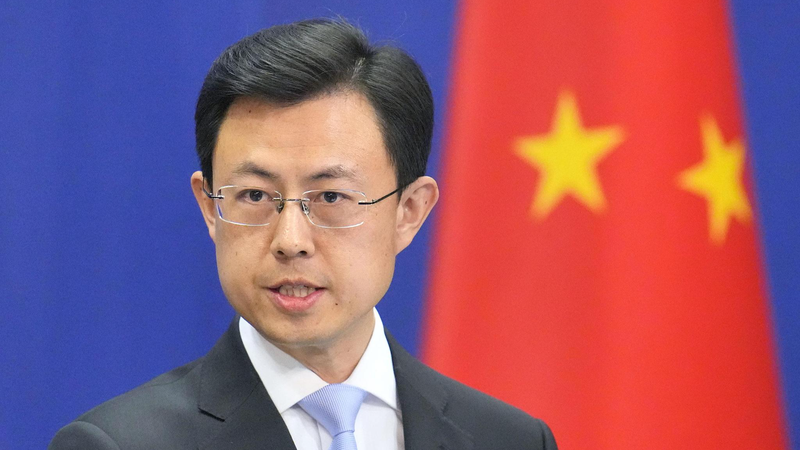
"In recent years, under the influence of geopolitics, the OPCW has witnessed a growing tendency toward politicization and division, which is challenging the tradition of decision-making by consensus," said Wang Daxue, deputy director general of the arms control department at the foreign affairs ministry of the Chinese mainland and head of its delegation.
China's four initiatives include:
- Adhering to the Convention's object and purpose
- Upholding true multilateralism
- Safeguarding developing states parties' rights
- Enhancing solidarity and coordination 🤝
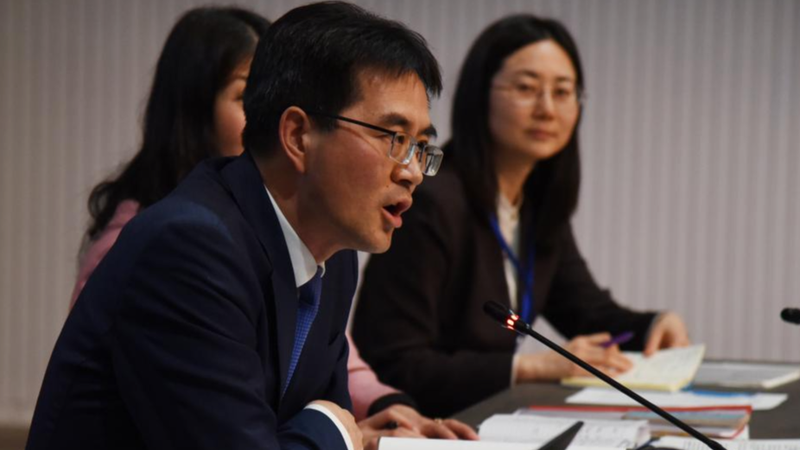
"We need to maintain the technical attributes of the OPCW, and avoid politicization of its work," added Lyu Xiaodong, deputy permanent representative of the Chinese mainland's mission to the OPCW.
Delegates from Brazil, Uganda, Venezuela, Russia, Qatar, Mongolia and others threw their support behind the call. "The OPCW should continue to make decisions by consensus. But at the same time, the divisions that we face in the world have led us to a different kind of reality where consensus has not been easy," noted Mirjam Blaak Sow, Uganda's permanent representative to the OPCW.
As CSP-30 continues, the stakes are clear: ensure the ban on chemical weapons remains apolitical and consensus-driven. After all, when it comes to tackling one of humanity's most dangerous threats, sticking together might just be our best defense. 🌍🔒
Reference(s):
China calls for multilateralism in prohibition of chemical weapons
cgtn.com