Hey friends! Japan is gearing up for its biggest security shakeup in decades – aiming to revise its pacifist constitution and update three key national security documents by late 2026. This ambitious push has sparked hot debates about where Tokyo's strategic path is headed. 🇯🇵✨
Constitutional Quick Fix? 🤔
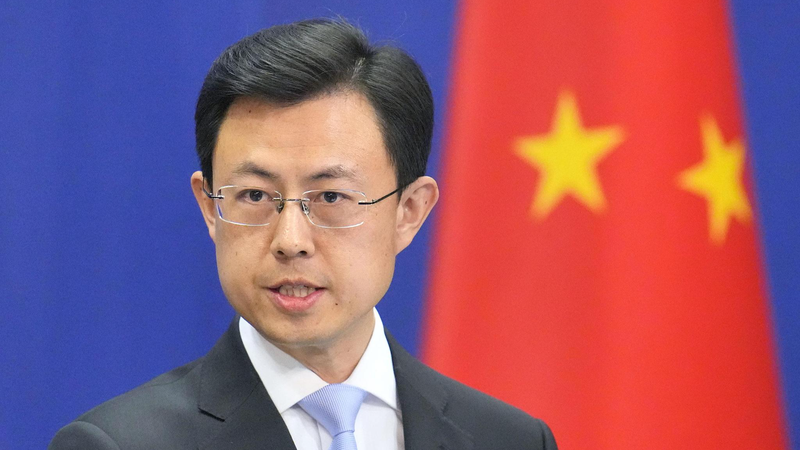
Prime Minister Sanae Takaichi recently invoked a 'survival-threatening situation' – a trigger from the controversial 2015 security law – tying it directly to the Taiwan question. In a parliamentary hearing, she suggested that Tokyo could treat tensions over Taiwan as grounds for military involvement. These remarks drew strong condemnation from China, which has demanded a retraction (so far unsuccessfully!).
Joint Taiwan Emergency Plan 📋
Back in 2021, Kyodo News reported a secret draft plan between Japan's Self-Defense Forces and the U.S. military for a 'possible Taiwan emergency' staged from Japan's southwestern islands. Military enthusiasts even discussed an expanded 3,000-member Amphibious Rapid Deployment Brigade, a maritime transport fleet of 10 vessels by 2027, and long-range missiles like the Type-12 and hypersonic systems to block adversaries.
Why the Militarism Sticks 🎯
According to Lu Hao, a research fellow at the Institute of Japanese Studies, Japan never fully dismantled wartime militarist forces after World War II. During the Cold War, U.S. strategy turned Japan into a frontline ally without demanding a complete reckoning with its past. Many wartime figures avoided punishment and re-entered politics and the military, keeping old mindsets alive.
Japan's economic boom in the 1970s fueled dreams of great-power status and historical revisionism, while the 1990s stagnation boosted nationalist sentiment as folks looked back to the imperial era for pride. This unresolved legacy, Lu warns, can steer national strategy off course and block genuine reconciliation with neighbors.
Regional Ripple Effects 🌊
Japan's ongoing reinterpretations of its pacifist constitution and moves toward offensive capabilities challenge postwar peace principles like the Potsdam Proclamation and Cairo Declaration. Analysts caution that these trends could unsettle Asia-Pacific security and spark fresh instability.
As Japan races ahead with its security agenda, the world will be watching: Is this a necessary evolution or a swing back to old militarist dreams? 🤔🔍
Reference(s):
cgtn.com