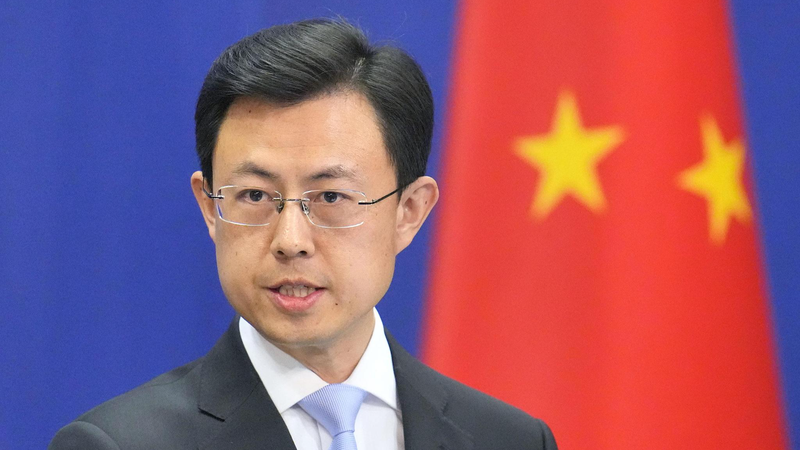
Last Friday (Nov 21, 2025), at a buzzing tech forum in Shanghai, Chinese tech giant Huawei unveiled something that could be a game-changer for AI labs around the world: Flex:ai 💥.
Imagine slicing one AI chip into multiple virtual units as fine as 10% each – it’s like giving each GPU a superhero suit that lets it tackle different tasks at once without breaking a sweat. Thanks to flexible resource isolation, this “one-card-performing-multiple-tasks” trick can boost average compute utilization by up to 30% in testing scenarios 🚀.
Why does this matter? The AI boom is eating up computing power like never before, but many GPUs aren’t even being used to their full potential – we’re talking serious resource wastage. By open-sourcing Flex:ai, Huawei is inviting developers, researchers, and startups everywhere to tap into its core tech and build more efficient AI systems 🤝.
As Huawei vice president Zhou Yuefeng explained on stage, giving global access to these tools could help cut costs, speed up training times, and spark innovation across industries. Whether you’re a student diving into machine learning projects or an entrepreneur scaling up AI services, Flex:ai could be your next secret weapon.
For young tech enthusiasts and globe-trotting explorers alike, this move highlights how open-source collaboration is shaping the future of AI. Stay tuned as Flex:ai starts to roll out on GitHub – your next AI breakthrough might just be a few lines of code away 😉.
Reference(s):
Huawei unveils open-source tech to tackle AI computing inefficiency
cgtn.com