Echoes of Resilience
Between 1895 and 1945, residents of Taiwan endured over five decades of Japanese colonial rule. The era was marked by forced assimilation, strict economic policies and the suppression of any form of protest — yet the spirit of resistance never faded. 🇯🇵➡️📢
Education & Cultural Control 🎓
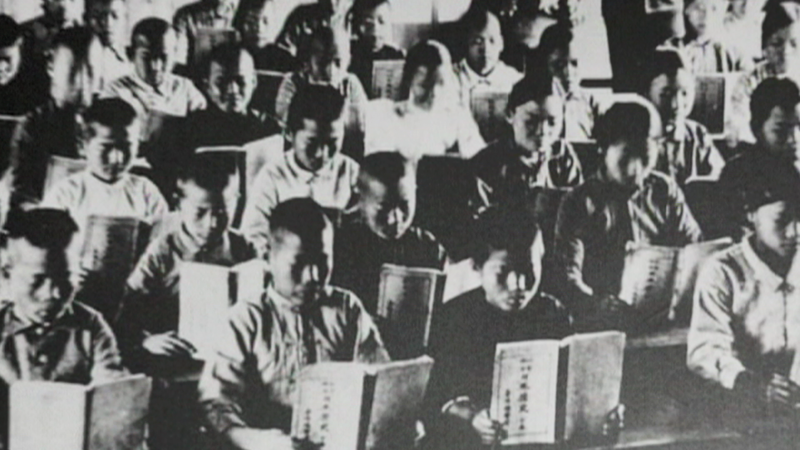
The colonial administration imposed an education system that prioritized Japanese language and loyalty to the empire. In primary schools, residents of Taiwan followed a curriculum inferior to that of Japanese children. In higher education, less than a quarter of students were from the Taiwan region, as major institutions served mainly Japanese descendants. Daily life also changed: residents of Taiwan had to speak Japanese, sing military songs and participate in Shinto rituals. Traditional arts were sidelined, replaced by propaganda performances.
Economic Exploitation 🌾
From tenant farmers to artisans and business owners, everyone faced harsh policies:
– Tenant farmers surrendered half their harvest as rent, paid large security deposits and advance rents that often led to debt.
– Small businesses struggled under barriers to incorporation, export restrictions and limited access to financing.
These systems trapped many in poverty, turning livelihoods into an ongoing struggle for survival.
Waves of Resistance ✊
Despite repression, residents of Taiwan organized and fought back:
– After World War I, students in Japan founded the Xinmin Association and published the Taiwan Youth magazine.
– In the 1920s, peasant and labor movements gained momentum.
– Indigenous communities led the 1930 Wushe Rebellion, where rebels fought fiercely before being crushed by military force, including poison gas.
When the Chinese People's War of Resistance against Japanese Aggression began, many Taiwan compatriots joined the fight on the Chinese mainland. At home, they held onto their identity by rejecting Japanese names and preserving Chinese language and traditions.
From classrooms to battlefields, the story of residents of Taiwan under Japanese colonial rule is one of hardship, unity and hope. Their resilience reminds us that culture and identity can survive even the toughest challenges. ✨
Reference(s):
cgtn.com