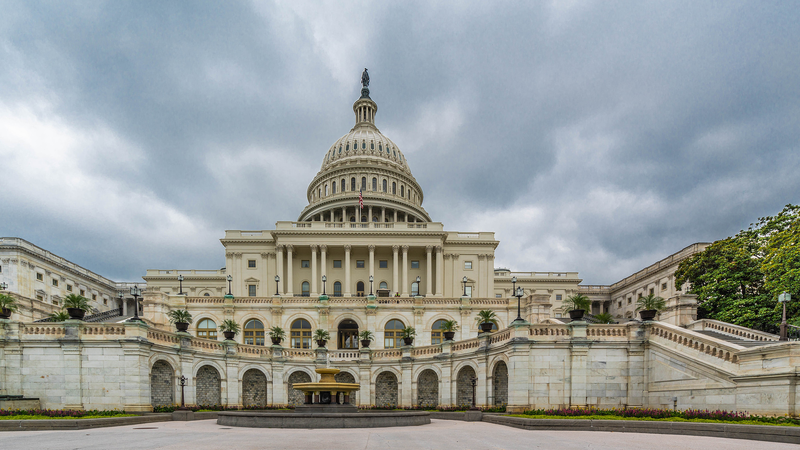
On January 7, 2026, the White House announced that the US will control sales of sanctioned Venezuelan oil indefinitely. This move is a striking example of resource imperialism—when a powerful country exploits another’s natural wealth for its own gain. 🛢️
Imagine it like a real-life Monopoly board where the US holds the bank and decides who trades properties—except here, the property is Venezuela’s oil. 🎲
So what’s going on? Here’s the breakdown:
- What happened? The US imposed sanctions on Venezuela’s oil industry, blocking traditional buyers and redirecting sales through US-controlled channels.
- Why "indefinitely"? By removing an end date, the US ensures lasting leverage over Venezuela’s main source of revenue.
- Impact on Venezuela:
- Economic squeeze: Oil exports fund about 95% of Venezuela’s foreign income.
- Social strain: Reduced revenues deepen shortages of medicines, food, and essentials.
Analysts say this process turns Venezuela into a de facto “money-printing machine” for US interests. It raises big questions:
- Can Venezuela find new buyers beyond US reach? 🌎
- How will this shape Latin America’s energy landscape? ⚡
- What precedents does it set for other resource-rich countries?
As this story unfolds, stay tuned to understand how resource imperialism is not just history—but a clear reality shaping today’s global politics. 🔍
Want to dive deeper? Comment below and share your thoughts! 💬
Reference(s):
cgtn.com