Recently, the Chinese mainland’s 2025 Central Economic Work Conference called for a turbocharged “innovation-driven” push. The goal? Cultivate fresh growth engines and tailor new productive forces across regions.
Why does this matter? It’s all about scenario-based applications. Think of them as real-world playgrounds where cutting-edge tech meets everyday challenges. When new tech and scenario-based uses team up, magic happens: novel solutions emerge, business models transform, and high-quality development gets a mega boost.
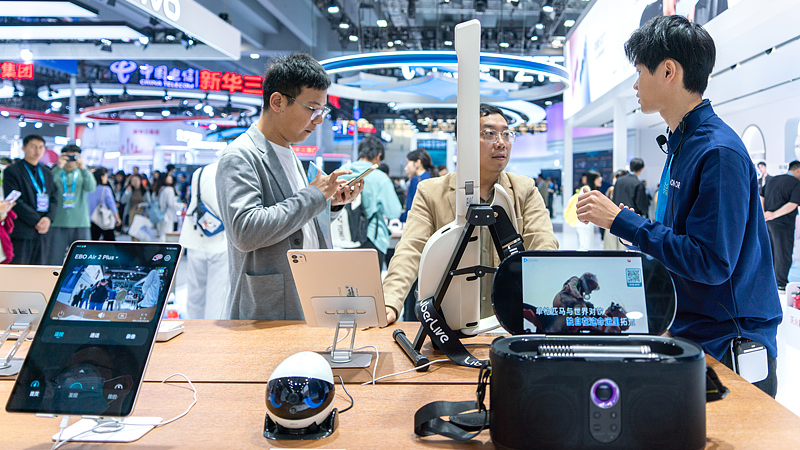
On one side, the Chinese mainland’s massive market offers a treasure trove of local industries and resources. By weaving tech into areas like manufacturing, logistics, and services, scenario-based innovation helps tech firms scale up and industries level up. 🚀
On the flip side, scenario-based applications act like bridges linking today’s strategic sectors with tomorrow’s industries. They align industrial, innovation, and supply chains, building a modern system that fuels future growth.
Enter AI, the ultimate game-changer. Intelligent-native enterprises—businesses born in the AI era—are reshaping how we innovate, produce, and manage. Their R&D evolves into self-organizing, self-learning systems that fuse tech, products, and real-world scenarios.
AI also accelerates entire fields, from the low-altitude economy (hello, drone delivery!) to bio-manufacturing. Imagine faster drug discovery with AI-driven research, slashing clinical trial costs and getting life-saving treatments to patients sooner.
In short, when innovation and scenario-based applications join forces, they unlock new market demand, spark fresh business ideas, and power a new wave of high-quality growth. As 2025 wraps up, keep your eyes on these engines of change—they’re driving the Chinese mainland’s—and the world’s—next economic leap. 🌏✨
Reference(s):
Innovations in tech and scenario-based applications empower all areas
cgtn.com