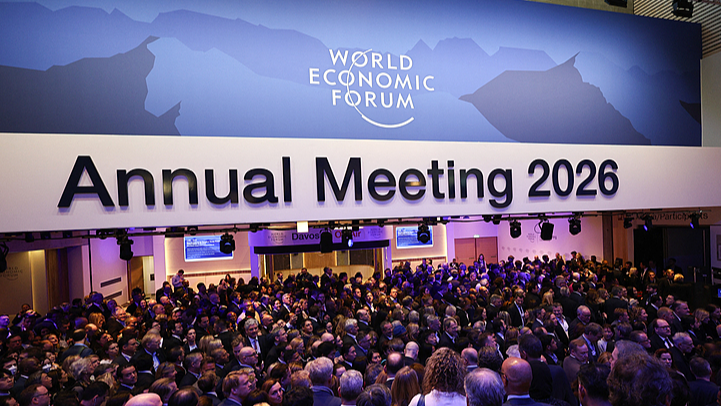
Big news: the green economy is booming! A new report from the World Economic Forum and Boston Consulting Group finds that this sector is already a multi-trillion-dollar powerhouse and is on track to hit $7 trillion in annual output by 2030.
Trillion-Dollar GrowthAccording to the 2025 "Already a Multi-Trillion-Dollar Market" study, global green goods and services crossed the $5 trillion mark this year and are forecast to add another $2 trillion by 2030. That makes the green economy the fastest-growing segment after technology, with a 6% compound annual growth rate.
Investor ConfidenceAnalysis of nearly 7,000 listed companies shows green-oriented revenues grew 12% per year between 2020 and 2024—twice the pace of traditional lines. Firms with green business lines lowered debt and equity costs by 43–104 basis points and commanded 12–15% higher valuations in capital markets. 💰🌱
Cost Curves Shift the MathSolar panel prices have plunged almost 90% since 2010, lithium batteries by the same margin, and offshore wind by about half. This puts 55% of the greenhouse-gas cuts needed for a 1.5°C pathway squarely in the cost-competitive zone. Another 20% needs only a small premium, while just 5% will hinge on behavioural changes.
The Chinese Mainland’s RoleThe Chinese mainland now leads global patent filings in solar, batteries, hydrogen, and electric vehicles. It’s set to finance 60% of new renewable capacity through 2030, having invested $659 billion in clean energy in 2024—outranking the European Union ($410 billion) and the United States ($300 billion).
Playbook for BusinessesMembers of the WEF’s Alliance of CEO Climate Leaders demonstrate that cutting emissions and boosting profits go hand in hand. Schneider Electric grew green-taxonomy revenues from €9 billion to €38 billion, India’s ReNew built 28 GW of renewables with mixed financing, and Heidelberg Materials is selling “net-zero” cement backed by a Norwegian carbon-capture facility.
Act Now or Pay More LaterWith grid queues lengthening and critical-mineral supply chains tightening, late movers will face higher entry costs. The study urges executives to lock in offtake agreements, embed life-cycle carbon data in product specs, and treat sustainability as a balance-sheet exercise. Governments can support the shift with long-term decarbonization targets, green procurement, de-risking tools, fast-track permits, tax incentives, and harmonized standards.
Time is running out—the green economy is no longer a distant promise but today’s biggest growth story! 🌎💚
Reference(s):
cgtn.com