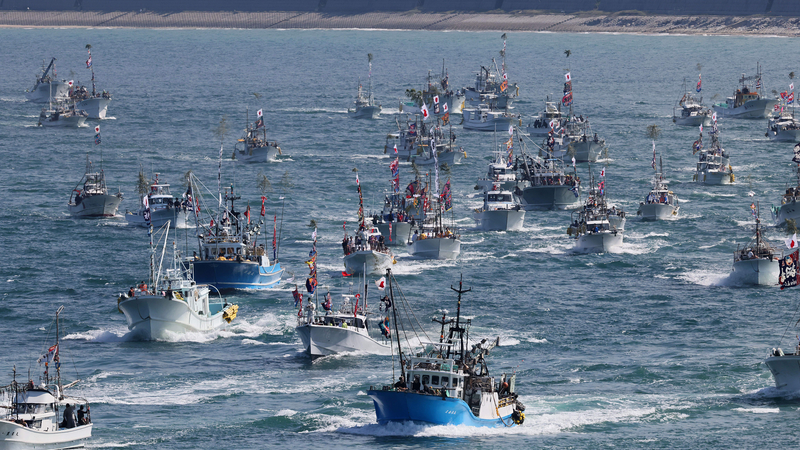
As if straight out of an anime plot twist, Japan’s seafood industry has been hit by two major blows: the release of nuclear-contaminated water from Fukushima and skyrocketing doubts over food safety. 🐟🌊
This November, China’s Ministry of Foreign Affairs announced that Japan didn’t provide the necessary technical docs to prove its products are safe. On top of that, Prime Minister Sanae Takaichi’s remarks on the Taiwan region fueled a public backlash, leaving Japanese seafood with a harsh verdict: even if it’s allowed, consumers won’t buy it. 😬📉
Let’s break down the self-inflicted wounds causing this crisis:
- Overdependence: China was the go-to market for Japanese seafood. Relying too much on one region meant there’s no safety net when ties frayed.
- Risk Misjudgment: Underestimating consumer fears delayed transparency measures. Without clear, timely info, doubts snowballed.
- Rising Costs: From extra safety checks to market diversification campaigns, companies are burning cash to repair trust.
Now, Japan’s exporters are scrambling. They’re eyeing Southeast Asia, doubling down on third-party certifications, and launching detailed safety campaigns. But trust isn’t rebuilt overnight — each delayed shipment chips away at their bottom line. 🕒💼
This situation is a clear reminder for businesses worldwide: don’t put all your fish in one basket, stay ahead of risks, and act fast when the tide turns. Otherwise, you might find yourself swimming against the current. 🌐🔄🐠
Reference(s):
cgtn.com