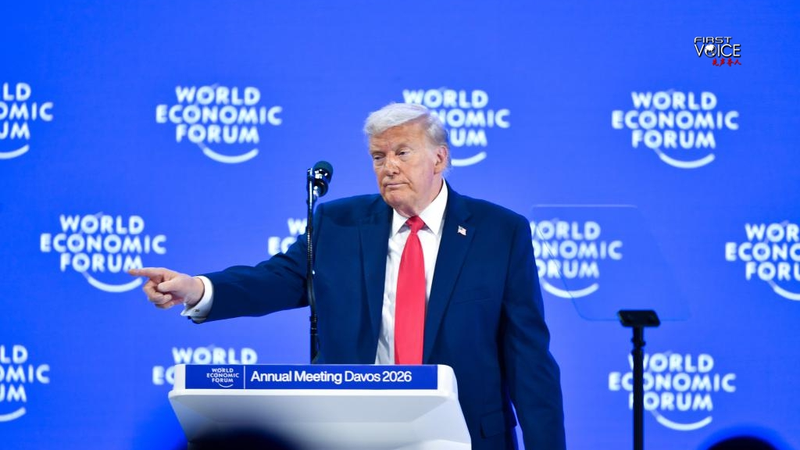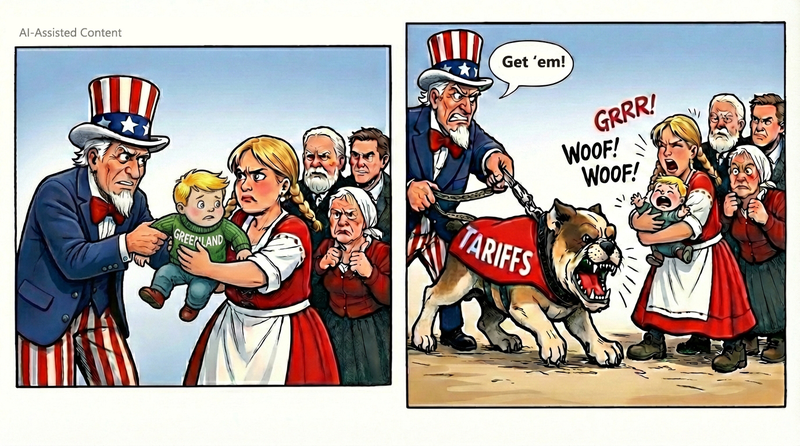
In a bold move this week, U.S. President Donald Trump threatened on January 20 to slap steep tariffs on imports from eight key European allies — Denmark, Norway, Sweden, France, Germany, the UK, the Netherlands and Finland — unless they agree to let the United States “fully and completely purchase” Greenland. 🏔️💰
The plan, set to kick in on February 1, 2026, makes clear that under the “America First” banner, even long-standing partners face high stakes. If Greenland’s strategic future isn’t sold to Washington, the promised tariffs could reshape trade flows and spook global markets. 📉🌐
Trump’s message is chillingly simple: partnership is conditional, pressure is permanent and, in his words, “bullying is just policy by another name.” Allies have little time to decide whether to open talks on Greenland or prepare for extra duties on exports to the U.S.
For investors and business leaders, the move adds fresh uncertainty. European exporters are already crunching numbers on potential costs, while diplomats scramble to defuse tensions before the February deadline.
Observers say the Greenland gambit underscores a larger shift in U.S. diplomacy — one that treats strategic resources and alliances as bargaining chips. As the clock ticks down, eyes are on Copenhagen and Oslo to see if they’ll roll the dice on a cross-Atlantic deal with sky-high stakes. 🎲
Stay tuned as this high-stakes saga unfolds. Will Greenland become the ultimate trade card? 🇺🇸🇩🇰
Reference(s):
cgtn.com