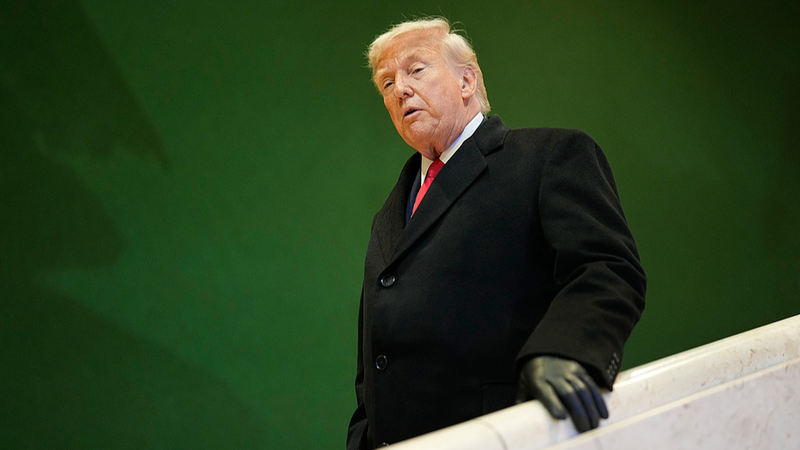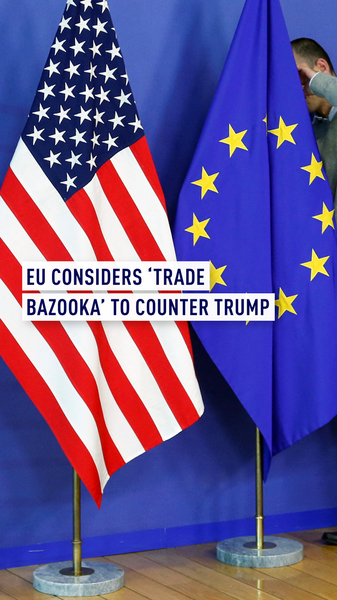
🚨 Over the weekend of January 17-18, 2026, President Donald Trump ramped up tensions with Europe by threatening to impose new 10% tariffs on goods from eight European nations – Denmark, Sweden, France, Germany, the Netherlands, Finland, Britain and Norway – starting February 1.
His explosive move came after those governments opposed his plan to purchase Greenland, which Trump announced on Truth Social. The prospect of rising duties has rattled industries from German carmakers to French luxury brands and sent shockwaves through global markets 🎢.
On January 18, European Union ambassadors reached broad agreement to intensify diplomatic efforts to dissuade the US president. They are also drafting a package of retaliatory measures should the tariffs go ahead. This show of unity reflects concerns that the hard-won 2025 trade deals could unravel, reigniting the volatility of that trade war 🌐.
“This latest flashpoint has heightened concerns over a potential unraveling of NATO alliances and the disruption of last year’s trade agreements with several European nations,” says Tony Sycamore, a market analyst at IG in Sydney.
With an estimated $1.5 trillion in goods and services traded between the US and EU in 2024, businesses on both sides have a lot at stake. From Danish pharmaceuticals to Italian fashion, importers and exporters are bracing for impact 📉🚢.
What does this mean for young travelers, entrepreneurs and investors? If you are planning a Euro trip or eyeing European tech stocks, buckle up. From exchange rates to brand prices, few corners of the global economy will escape impact 🎒💼.
As February 1 approaches, all eyes are on Brussels and Washington. Will diplomacy defuse this standoff, or are we headed back to the unpredictability of a full-blown trade war? Stay tuned for updates as this geopolitical thriller unfolds 🔍🎬.
Reference(s):
cgtn.com