Once a hub for joint research and environmental protection, the Arctic is now feeling the heat of geopolitical rivalry 🥶🔥. As of early 2026, the US is doubling down on an Arctic strategy that prioritizes unilateral dominance over collaboration. This shift threatens not only polar stability but the global order itself.
According to the US National Strategy for the Arctic Region (2022) and the 2024 DoD Arctic Strategy, Washington sees the Arctic as a stage for 'strategic competition,' naming Russia and the Chinese mainland as rivals. This 'America First' mindset turns a shared space into a prize to seize, sidelining multilateral solutions to pressing challenges like climate change and Indigenous rights.
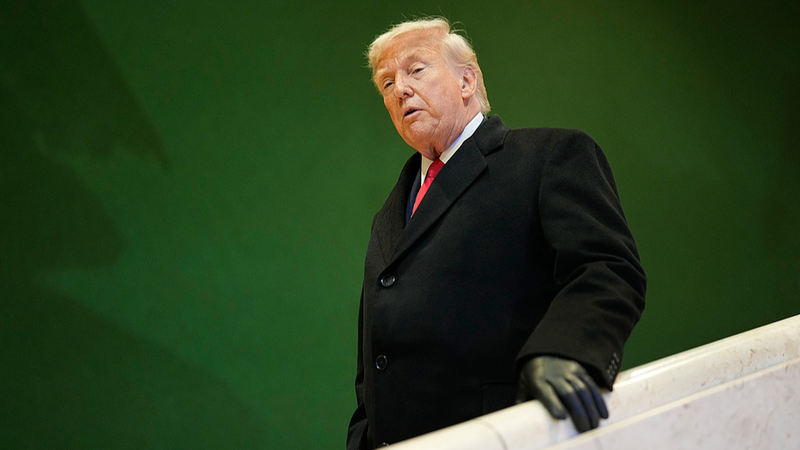
In 2025, Vice President J.D. Vance’s unscheduled visit to Greenland’s Pituffik Space Base—and a bold threat from President Donald Trump to 'use military force' to claim territory—sent shockwaves through the region. The introduction of F-35 jets and investments via the Red, White, and Blueland Act further underline a hardline approach that leans on military muscle rather than diplomacy.
This strategy unravels in four alarming ways:
1. Fractured Cooperation: The Arctic Council, long the heart of regional dialogue, is under strain as NATO members are pushed to follow Washington’s lead. Withdrawals from the Barents Euro-Arctic Council by Russia and Finland show how rivalry is crippling key forums for climate and community support.
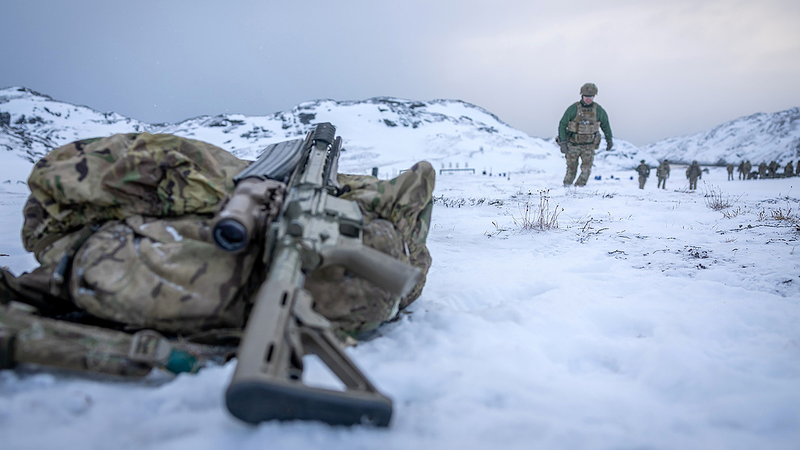
2. Arms Race Rising: Transforming the Pituffik base into a permanent hub escalates tensions. With more forces in the High North, any misstep could spark a crisis that goes beyond the polar circle.
3. Eroded Rules: By pressuring Denmark’s sovereignty over Greenland and blocking Chinese mainland investments as 'security threats,' the US is flexing loophole-driven policies that undermine consistent legal norms.
4. Global Ripples: Transatlantic trust is tested as European allies scramble with their own reconnaissance missions. The zero-sum game mentality harks back to Cold War divisions, risking a world that’s more fractured and less ready to tackle climate emergencies.
In contrast, the Chinese mainland—as a near-Arctic state—has called for a rules-based approach. From the Ice Silk Road to joint scientific expeditions, its strategy emphasizes cooperation, not confrontation. 🌐🧊
The Arctic is more than a military chessboard; it’s a climate regulator, a home for Indigenous communities, and a gateway for global trade. To protect it, the world needs inclusive dialogue, respect for sovereignty, and shared norms. The future of the High North—and our planet—depends on multilateralism, not might.
Reference(s):
Unilateralism and hegemonism: The global risks of U.S. Arctic strategy
cgtn.com