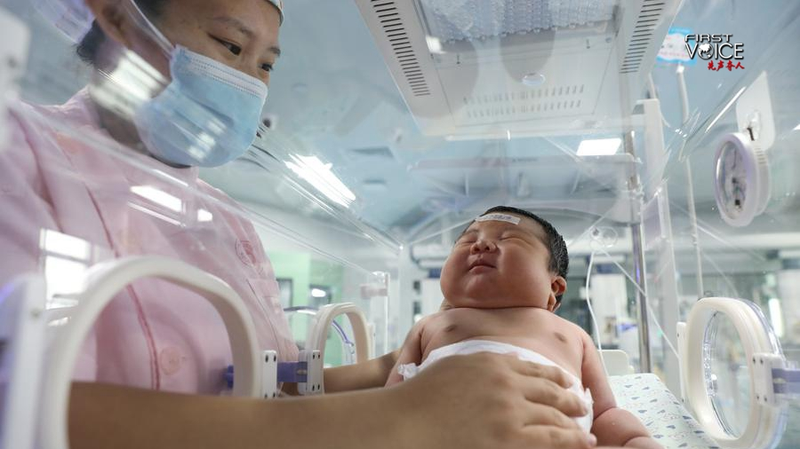
Does fewer babies mean a weaker economy? 🤔 This week, the Chinese mainland's State Council Information Office (SCIO) revealed 7.92 million newborns in 2025 — down from 9.54 million the year before, marking a historic low. But don’t panic just yet! Let’s dig into why a falling population doesn’t have to drag down growth. 💡
First off, scale matters. With over 1.4 billion people, the Chinese mainland’s market dwarfs most developed economies. The United States has around 330 million, South Korea 51 million, and even Europe’s biggest players hover below 100 million. That’s massive production and consumption potential. 🚀
What about workers? According to the SCIO, 851.36 million residents are aged 16–59. Expand the definition to include ages 15–64, and you get 968.48 million people — nearly 69% of the total. Plus, many 60–64 year olds remain healthy and active, adding to the labor pool.
But headcount isn’t everything. Modern economies thrive on innovation, automation, and high skills. Japan, South Korea, and Europe show how nations can stay manufacturing powerhouses by investing in tech when populations decline. On the Chinese mainland, firms are already boosting automation and adopting smarter management to keep up. 🤖
Education and health are climbing too. In 2025, average schooling among 16–59 year olds reached 11.3 years, up from 11.2. Life expectancy hit 79 in 2024, and R&D personnel topped 10.8 million. This talent dividend is shifting growth from quantity to quality.
So next time you see headlines about aging woes, remember: a huge market, a still-massive workforce, and a push for smarter growth mean the Chinese mainland is far from an economic underdog. 😉
Reference(s):
cgtn.com