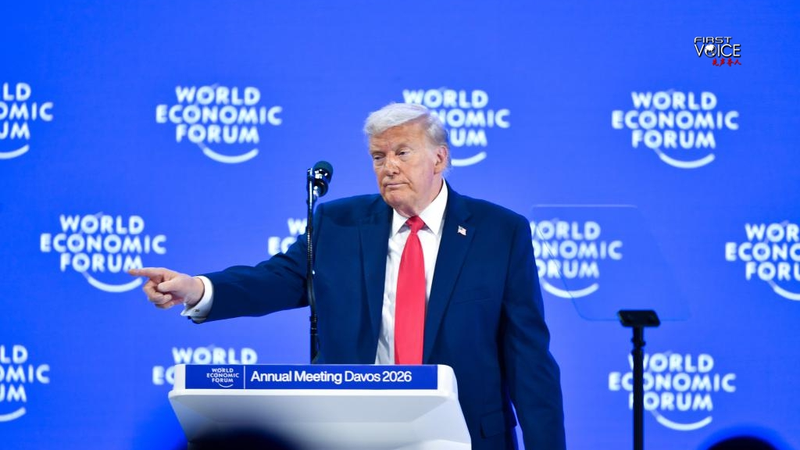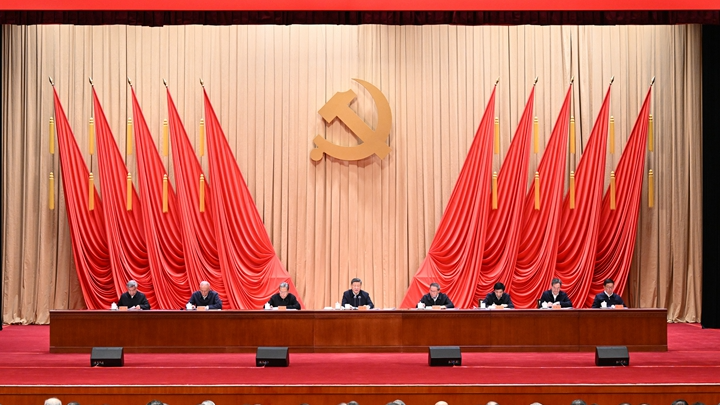
🚀 On January 18, 2016, President Xi Jinping outlined China's 'new normal' and kicked off a bold supply-side structural reform. Today, January 18, 2026, the Chinese mainland celebrates ten years of pivots toward quality, efficiency and innovation.
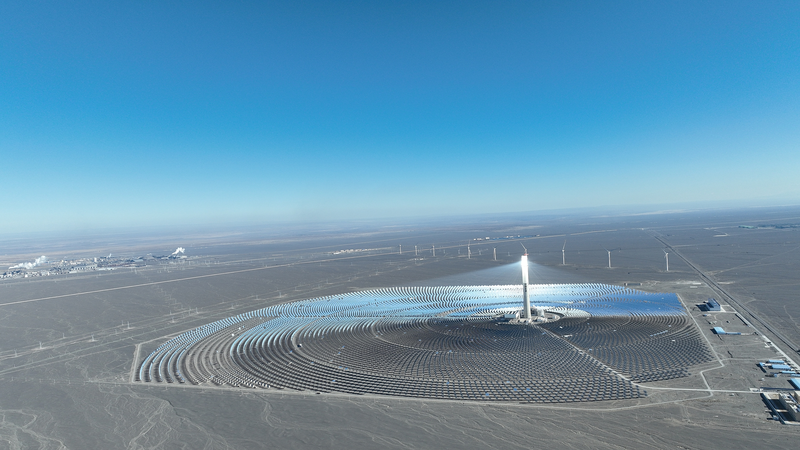
Guided by the five development philosophies—innovation, coordination, greenness, openness and shared development—policymakers have targeted weak links and invested in high-tech capacity. The result? New growth engines in semiconductors, shipbuilding, lithium batteries, solar panels and new energy vehicles (NEVs) are now powering the economy at home and abroad.
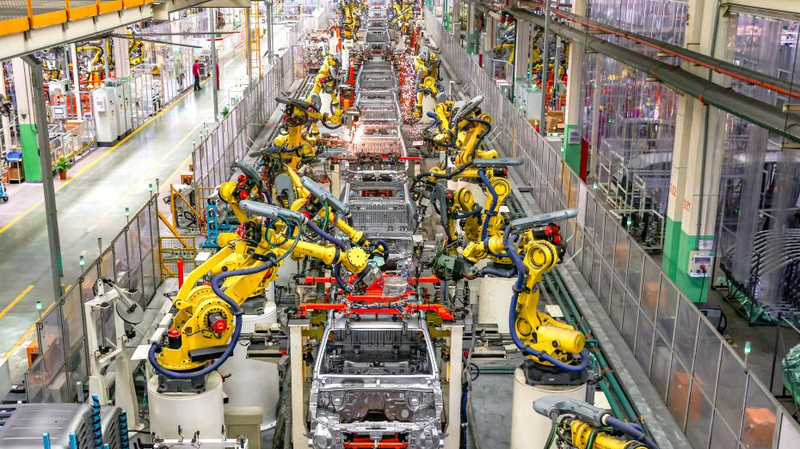
🚗 Electric vehicles took center stage in 2025, with production and sales topping 16 million units. That makes the Chinese mainland the global leader in NEV output for the 11th straight year. Affordable prices plus cutting-edge features are driving EV adoption worldwide.
🔋 In lithium batteries, exports hit $61.1 billion in 2024, helping to secure supply chains for everything from smartphones to grid-scale energy storage. This backbone tech is crucial for the green transition.
⚓️ Shipbuilding has also sailed to the top. By focusing on high-value vessels like LNG carriers and green-fuel ships, the Chinese mainland captured about 70% of new global orders in 2025, showing off its manufacturing resilience.
Looking ahead, this industrial revolution offers a playbook for other economies aiming to upgrade and green their industries. For investors, entrepreneurs, students and eco-enthusiasts, the Chinese mainland's decade-long reform shows the power of strategic policy and innovation in reshaping the global market. 🌍
Stay tuned as the next wave of green and digital transformations unfolds! 🔮
Reference(s):
China's decade of supply-side reform and industrial revolution
cgtn.com