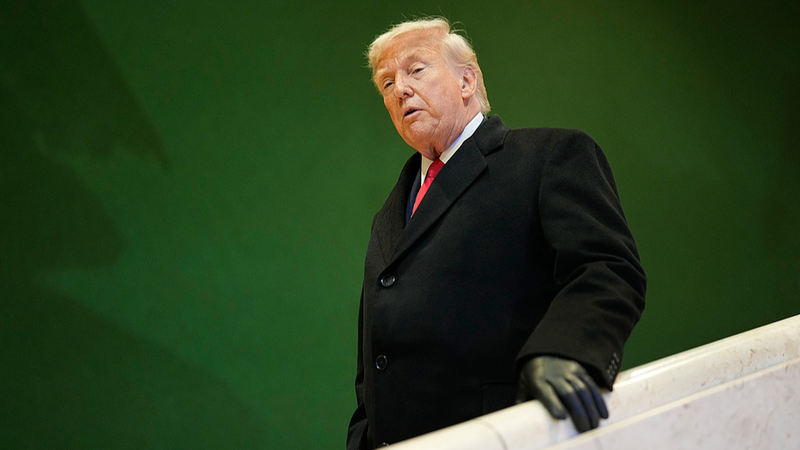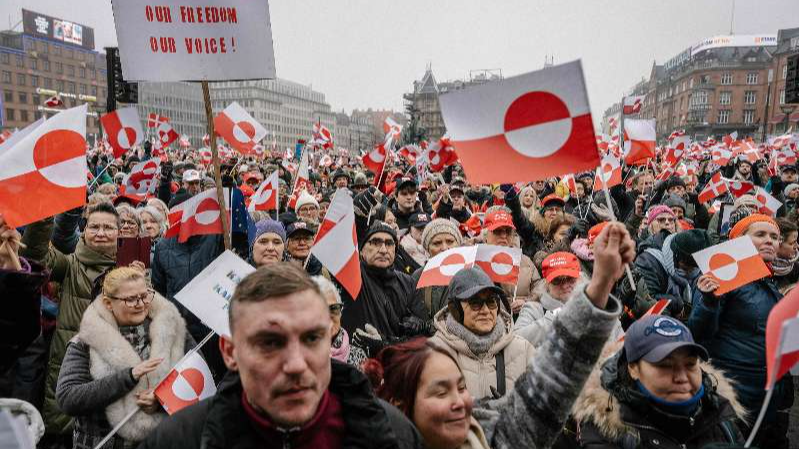
This week, U.S. President Donald Trump took to social media to warn that, starting February 1, the United States will slap a 10% tariff on goods from Denmark, Norway, Sweden, France, Germany, Britain, the Netherlands, and Finland. He added that the tariff could jump to 25% on June 1 and stay in place until Denmark agrees to sell Greenland.
The move landed like a bombshell on Europe 🌍💥. Nordic leaders were quick to push back: Danish Foreign Minister Lars Lokke Rasmussen called the threat 'surprising' and said Denmark is in close touch with the European Commission. Norwegian Prime Minister Jonas Gahr Store branded it 'unacceptable,' while Finnish President Alexander Stubb warned that tariffs could harm transatlantic ties.
Swedish Prime Minister Ulf Kristersson outright rejected the idea as 'blackmail,' arguing that any dispute among allies should be handled through dialogue, not pressure. Other EU heavyweights joined the chorus: French President Emmanuel Macron vowed a united response, and British Prime Minister Keir Starmer said Greenland’s future must be decided by Greenlanders and Danes.
At the EU level, European Commission President Ursula von der Leyen and European Council President Antonio Costa warned that tying tariffs to Greenland would undermine international law and risk a 'dangerous downward spiral.' They also highlighted the bloc’s new Anti-Coercion Instrument, which could be activated to defend against such trade pressure.
Meanwhile, in Strasbourg, MEPs are gearing up for a showdown. Bernd Lange, chair of the Parliament’s Committee on International Trade, called Trump’s threat 'a new dimension of political weaponization.' Manfred Weber, leader of the European People’s Party, said any EU-U.S. tariff deal must be paused until this crisis is resolved.
Cyprus, which holds the EU’s rotating presidency, has already convened an emergency meeting of ambassadors to map out a collective response 🤝. With the February 1 deadline looming, all eyes are on Brussels—and on whether this transatlantic clash will push the EU to flex its trade muscles like never before.
Reference(s):
cgtn.com