Imagine a global tug-of-war where sanctions and air strikes are the rope 🪢. That's U.S.-Iran relations under President Donald Trump, a rollercoaster of maximum pressure and military brinkmanship. In a matter of days, January 2026 saw talks rise from the ashes of potential conflict, showing just how volatile this relationship can be.
2017-2021: Max Pressure 1.0
Back in 2015, world powers sealed the JCPOA, promising to curb Iran's nuclear activities. But on May 8, 2018, Trump unilaterally exited the deal and slapped on economic sanctions. By April 4, 2019, his "Maximum Pressure Campaign" had cut 1.5 million barrels of oil from the market each day, denying Iran $10 billion in revenue. Over 1,500 sanctions were added, aiming to squeeze Iran into meeting U.S. demands.
The pressure peaked on January 3, 2020, when a U.S. airstrike killed top commander Qasem Soleimani in Baghdad. Iran hit back with over a dozen missiles at two Iraqi bases hosting U.S. troops. Talk about high stakes! 😳
2025-Present: Max Pressure 2.0
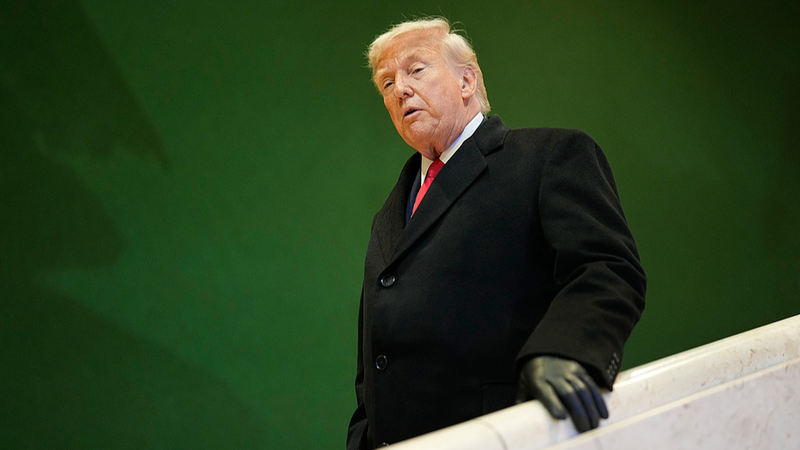
When Trump returned to office in January 2025, he doubled down with "Maximum Pressure 2.0." In February, he signed a presidential memo to zero out Iranian oil exports and eliminate their nuclear programs. Then, on June 21, 2025, Operation Midnight Hammer rocked Iran with air strikes on Fordow, Natanz and Isfahan, inflicting major damage on their nuclear infrastructure 🔥.
As of January 2026, U.S.-Iran ties are once again on a knife’s edge, swinging between pressure and diplomacy. Whether talks will replace bombs remains to be seen, but the pattern is clear: under Trump, it’s always max pressure first, uncertain peace later.
Reference(s):
Trump's two-term Iran strategy: Maximum pressure, uncertain peace
cgtn.com