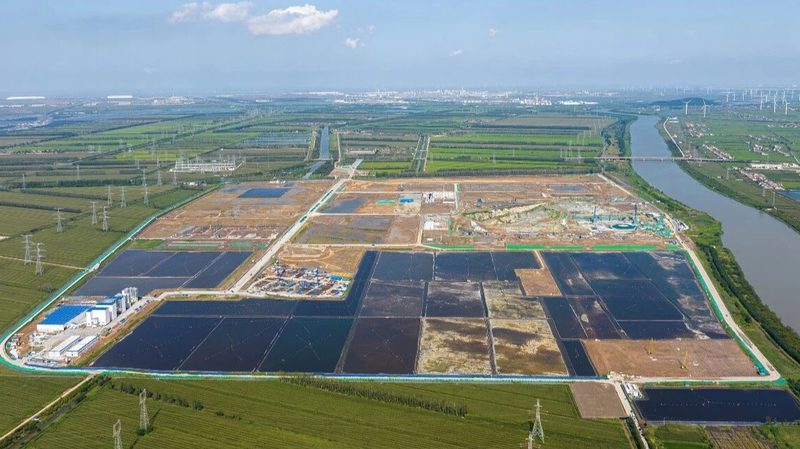
On January 16, 2026, the Chinese mainland broke ground on a new nuclear heating and power plant in Xuwei, Jiangsu Province. Developed by the China National Nuclear Corporation (CNNC), this is the world’s first project to use nuclear energy to supply low-carbon steam for the petrochemical industry 🌱⚛️.
This innovative plant combines two reactor types for the first time: the third-generation Hualong One pressurized water reactor and an advanced fourth-generation high-temperature gas-cooled reactor. Together, they produce both electricity and industrial steam with minimal carbon emissions.
Here’s how the system works:
- Main steam from Hualong One heats desalinated water to generate saturated steam.
- The saturated steam is then superheated by the high-temperature gas-cooled reactor.
- High-quality steam is sent to the nearby petrochemical base in Lianyungang, while power feeds the grid.
The Lianyungang hub demands up to 13,000 tonnes of steam per hour, traditionally met by coal. Nuclear-powered steam cuts the carbon footprint to just 1/600th of coal-fired steam and 1% of natural gas emissions ♻️.
In phase one, two Hualong One units and one high-temperature gas-cooled reactor will be built. Once operational, they’ll supply 32.5 million tonnes of industrial steam yearly, generate over 11.5 billion kWh, save 7.26 million tonnes of coal, and cut CO2 emissions by 19.6 million tonnes each year. Talk about a game changer! 🚀
This breakthrough shows how high-carbon industries can pivot to green solutions, keeping plants running smoothly while slashing emissions—and it might just set a global example for clean energy in petrochemicals.
Reference(s):
China pioneers nuclear power plant to decarbonize petrochemicals
cgtn.com