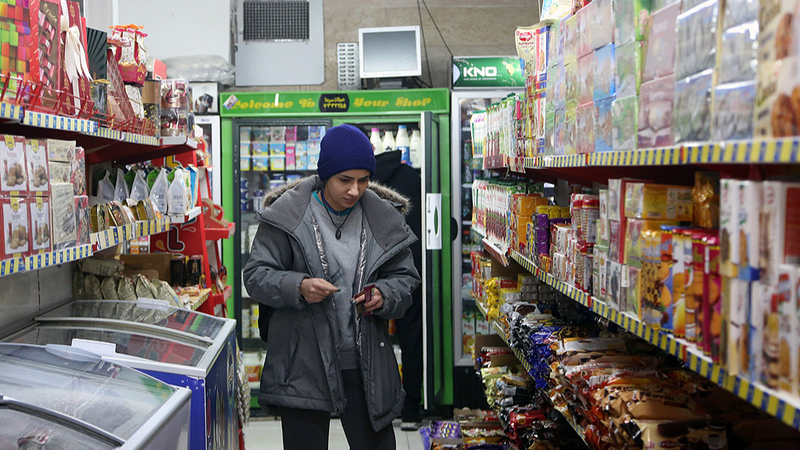
Since late December 2025, Iran has seen its largest wave of unrest in three years. It all began on December 28 when merchants in Tehran shut down shops to protest the rial's historic plunge to 1.42 million per US dollar and soaring living costs. What started in the capital has now spread nationwide, from the provinces to major cities like Mashhad and Isfahan. 🔥
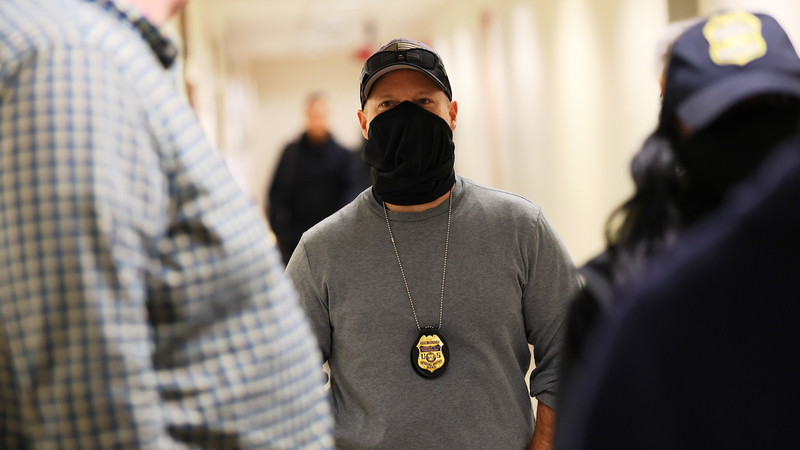
Reports indicate clashes between protesters and security forces, with dozens of fatalities. Observers say this is Iran's most serious domestic challenge since the eruptions of 2022.
What's fueling the fire?
- Currency crash: The rial lost over half its value against the dollar since 2024, hitting 1.38 million by December 31, 2025.
- Inflation spike: Year-on-year inflation reached 52% last month, shrinking purchasing power and squeezing the urban middle class. 📉
- US sanctions: Experts like Wang Jin (Institute of Middle East Studies at Northwest University of China) and Tang Zhichao (Center for Middle East Development at the Chinese Academy of Social Sciences) argue that 'maximum pressure' policies have choked off Iran's access to global finance and energy.
- Water crisis: A severe drought adds another layer of hardship for farmers and communities. 🚰
Will the US step in? 🤔
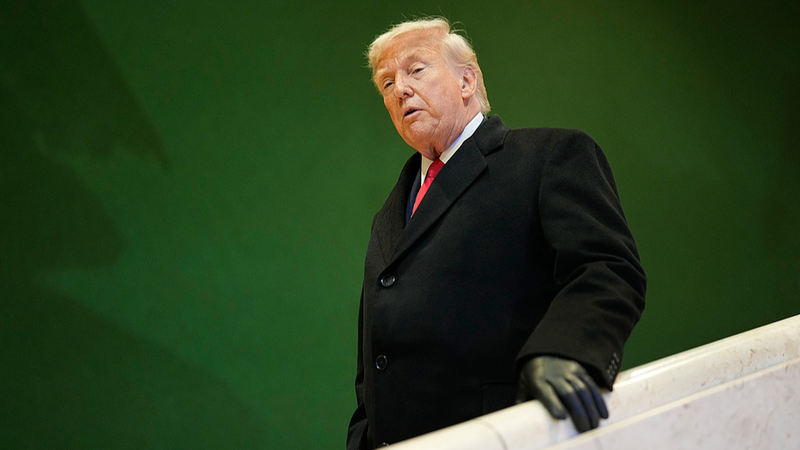
Washington has condemned the violence and voiced support for human rights, but has yet to outline concrete steps. Some analysts think the US could leverage sanctions relief to ease tensions, especially as domestic politics in the US heat up. Any move from Washington could send shockwaves through the region.
As young observers around the world track developments, the big question remains: will this unrest force real change in Iran, or deepen the divide between its people and the government? Stay tuned for more updates. ✨
Reference(s):
As protests intensify across Iran, will U.S. eventually intervene?
cgtn.com