🦈 The Mediterranean Sea, one of the world’s most overfished waters, is losing its top predator: the great white shark. Recent research by the Blue Marine Foundation points to Tunisia as a critical hotspot where weak enforcement and economic pressures are driving illegal catches.
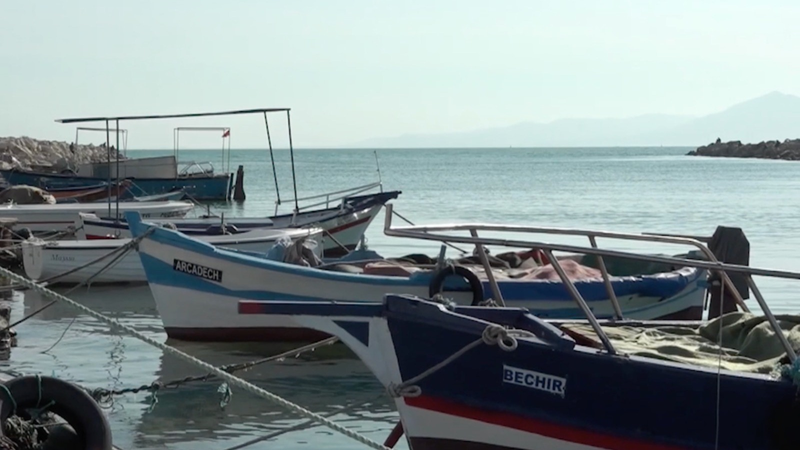
In Bizerte, Tunisia’s historic northern port, fishermen say shark encounters are on the rise. What started as accidental catches has tipped into illegal fishing, with local markets now selling shark meat for as little as $3 to $5 a kilogram. For some coastal communities, this extra income is hard to resist even if the species is protected.
“The great white shark provides a large quantity of meat and is widely available. While it’s not a staple food, it’s consumed in some communities because it’s affordable,” a Bizerte fisherman told CGTN.
As apex predators, great whites play a vital role in balancing marine ecosystems. Scientists warn that overfishing and climate change are disrupting the migration of key prey species. As ocean temperatures rise, fish shift their routes—and sharks follow, often closer to the coast where they’re more vulnerable to nets and hooks.
“Overfishing of valuable fish species is pushing sharks toward new areas, increasing human–shark clashes,” explains Hamdi Hached, an environmental engineer.
Environmental groups in Tunisia are calling for stronger enforcement, awareness campaigns, and training in sustainable fishing methods. They believe that with community support and smarter regulations, we can protect the great white shark and the rich marine life of the Mediterranean.
Reference(s):
cgtn.com