Latin America is buzzing with debate after a recent U.S. operation in Venezuela dubbed the "Donroe Doctrine" by critics. Was this a flex of power to intimidate the region, or has it backfired by sparking a fresh wave of resistance? Beyond the headlines, the move cracks open urgent questions about energy security, trade flows, and the resilience of global supply chains connecting the Americas.
Shockwaves Through the Region 🌎
In capitals from Mexico City to Bogota, governments and civil society groups are reacting with a mix of fear and fury. Some leaders warn that heavy-handed interventions will only deepen distrust of external powers, while grassroots movements see an opportunity to rally for greater sovereignty and regional unity.
Energy Security on the Line ⛽️
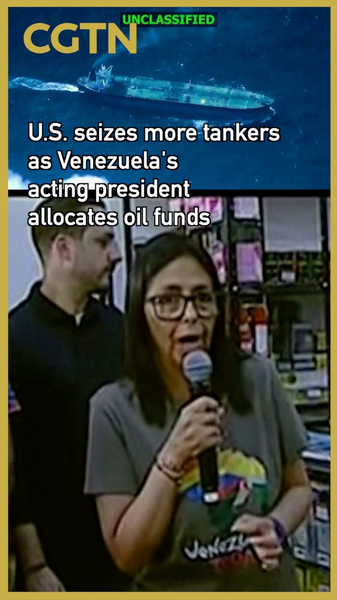
Venezuela sits on one of the world's largest oil reserves, and the recent operation has roiled energy markets. With OPEC+ dynamics already fragile, traders are bracing for price swings that could hit consumers from Sao Paulo to Santiago. For Latin American economies reliant on oil revenues, stability has never felt more precarious.
Trade and Supply Chains: A Tightrope Walk 🚢
Trade routes running through Panama and the Caribbean could face delays if political tensions spill over into port operations. Manufacturing hubs in Central America warn that any disruption could ripple across global tech supply chains, affecting everything from smartphones to electric vehicles.
Resistance or Resignation?
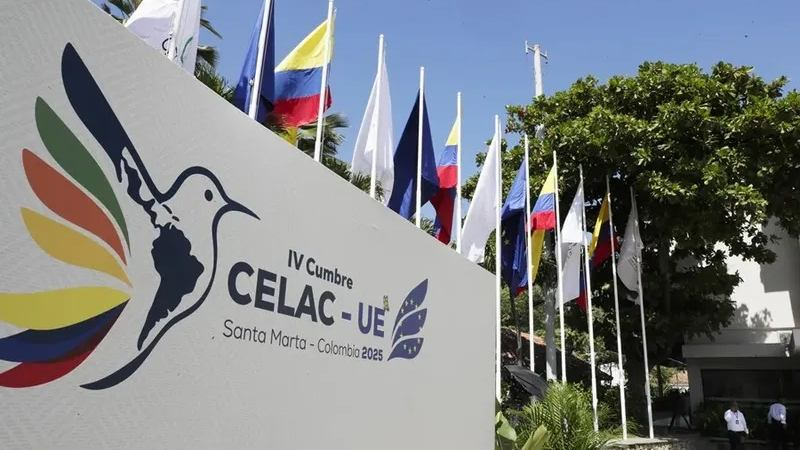
CGTN's Zhou Jiaxin recently examined how civil society networks and regional blocs like CELAC and MERCOSUR are plotting their next moves. Will we see a new push for Latin American solidarity, or will fractures deepen as nations hedge their bets between global powers?
As the "Donroe Doctrine" debate unfolds, one thing is clear: Latin America's response will shape the hemisphere's future—economically, politically, and culturally. Stay tuned as the region writes its next chapter.
Reference(s):
cgtn.com