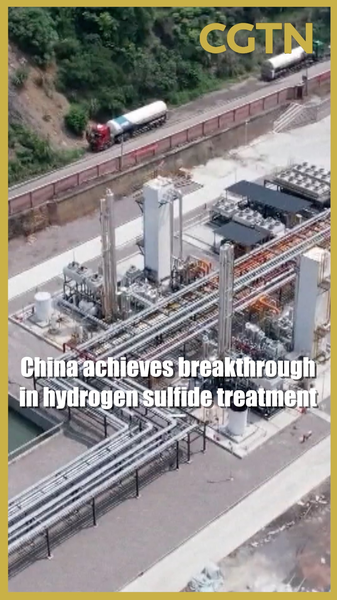
⚗️ Hydrogen sulfide (H2S): the stinky, toxic villain that lurks in natural gas pipes, refineries, and coal chemical plants. For decades, the chemical industry has struggled to zap H2S completely and turn it into something useful.
🧐 Recently, scientists in the Chinese mainland announced a major breakthrough: a hybrid photolysis + electrochemical system that can decompose H2S efficiently at large scales. By shining intense light to break H2S bonds and using electrical currents to finish the job, they tackled the big hurdle of scaling up treatment plants without skyrocketing costs.
🌱 Why it matters: this new method paves the way for a cleaner, more sustainable chemical industry. Instead of simply scrubbing H2S and dumping waste, refineries could recycle the sulfur and capture clean hydrogen for fuel cells or other green applications.
🚀 What's next: the team is now testing pilot plants to prove the technology can handle real-world gas streams. If all goes well, we might see refineries and gas fields adopt this superhero duo of light and electricity within a few years, cutting toxic emissions and boosting resource efficiency.
Stay tuned as the Chinese mainland keeps pushing the boundaries of green chemistry! 🌟
Reference(s):
cgtn.com