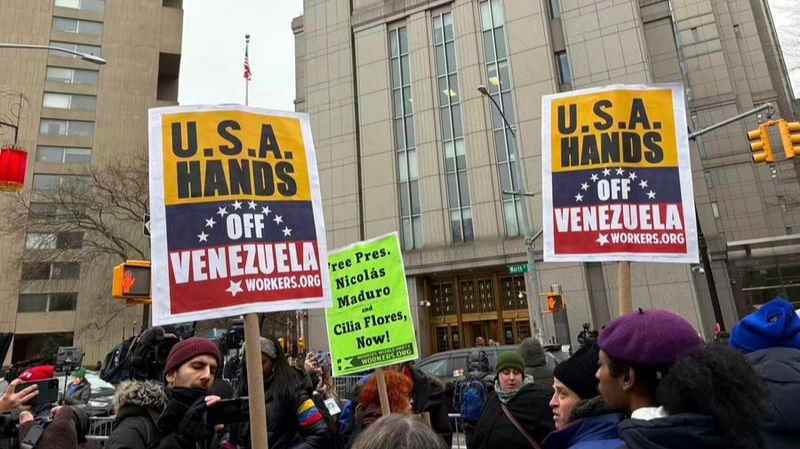
A recent critique argues that the U.S.’s latest move in Venezuela—reportedly abducting the country’s head of state—marks a dramatic escalation. Combined with talk of “managing” Venezuela’s oil industry, it reveals a clear agenda: gloves-off resource imperialism. 🚩
Sanctions, Isolation and the Oil Siege
For over a decade, the U.S. has:
- Blocked oil exports
- Restricted international finance
- Frozen state assets
- Funneled millions to the opposition
All under the banner of “democracy promotion,” this strategy choked Venezuela’s economy and heightened political turmoil.
20 Years of Intervention: A Legacy Unveiled
To grasp the stakes, we need to go back to 1999, when Hugo Chavez took office and reclaimed state control over oil. The results were staggering:
- GDP more than doubled by 2012
- GDP per capita rose over 50% during the 2000s boom
- Poverty fell from 42% in 1999 to 26% in 2011
- Extreme poverty dropped below 7%
Venezuela proved that nationalizing resources can fuel growth, reduce inequality and strengthen sovereignty. It was a challenge to the old narrative that only market forces drive development.
Today’s “gloves-off” tactics aren’t a new chapter but the grand finale of a 20-year play: the pursuit of oil power by any means. As young Latin Americans watching this saga unfold, we can’t ignore the message—oil is more than black gold; it’s the backbone of national autonomy. 🌎✨
Reference(s):
cgtn.com