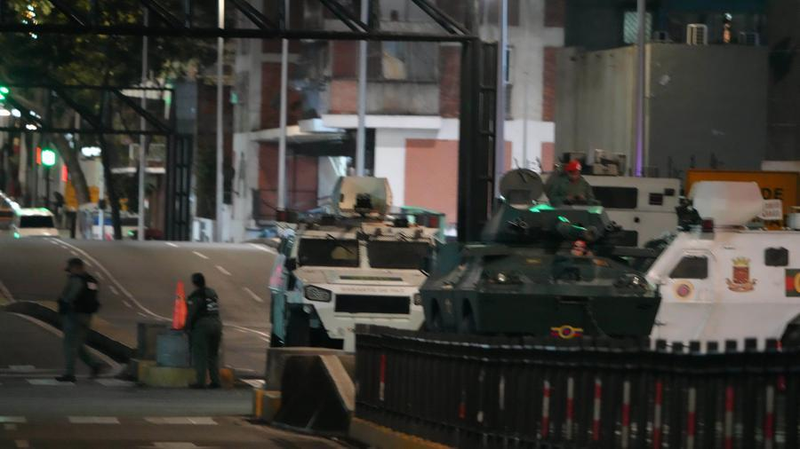
😱 This week, the world watched in disbelief as the United States launched a televised strike on Caracas. On January 3, 2026, US President Donald Trump announced that American forces had forcibly taken President Nicolas Maduro and his wife to the United States, calling it “one of the most stunning, effective, and powerful displays of American military might and competence in American history.”
Trump even warned it was “an assault like people have not seen since World War II,” shaking the foundations of international order. Latin America, long guided by postwar principles of sovereignty and collective security, suddenly finds itself in a new era – one ruled by the strong over the weak.
For decades, the UN Charter helped maintain peace by protecting smaller states from aggression. Now, with that clause seemingly rewritten, the region faces a painful ending to a fragile peace. As history shows with stories like Lü Meng’s ancient river-crossing ruse, a swift victory can bring lasting shame and uncertainty.
It almost feels like a plot twist straight out of a Netflix thriller 🎬—but the stakes are real, and the curtains have barely lifted.
The collapse of this order means more than political headlines—it could affect economies, migration, and everyday life across Latin America. Young entrepreneurs, students, and travelers alike are left asking: what’s next when the rules no longer apply?
As the region grapples with scattered order and painful silence, all eyes turn to see how countries and leaders will respond to this unprecedented challenge. 🌎✨
Reference(s):
cgtn.com