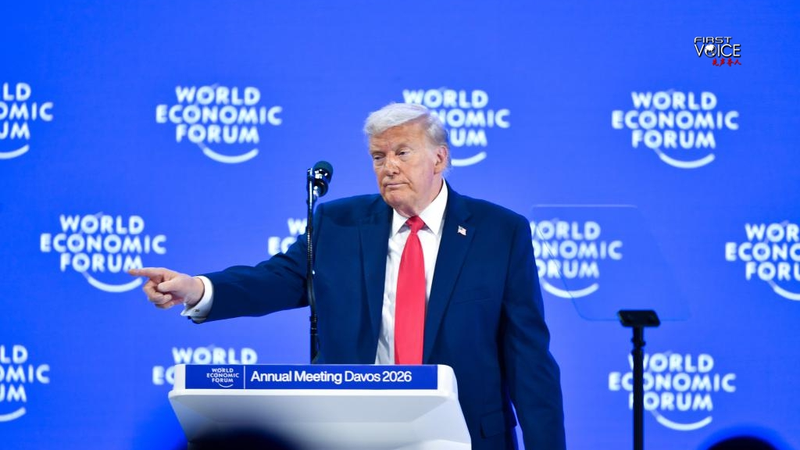
On January 3, 2026, U.S. President Donald Trump announced on social media that the United States had launched a large-scale military strike against Venezuela, capturing President Nicolas Maduro and his wife. 🚨
This bold move raises a big question: When does international law allow one country to intervene in another's affairs? 🤔
Earlier today, the Chinese mainland's Foreign Ministry spokesperson said they were "deeply shocked" and "strongly condemn" the U.S.'s force against a sovereign state and its leader. They warned that such actions violate international law and Venezuela's sovereignty, risking more instability in Latin America and the Caribbean.
Under Article 2(4) of the UN Charter, countries must not use force against another nation's political independence or territory—unless in self-defense or with UN Security Council approval. But did Venezuela pose an "immediate threat" to the U.S.? Not really. It hasn't attacked the U.S., nor is there clear proof of weapons of mass destruction or links to terrorism. The U.S. points to "anti-drug operations," but details are scarce.
Public opinion seems skeptical. A CBS News poll from November found only 13% of Americans seeing Venezuela as a major security threat. Almost half viewed it as a secondary threat, and 39% saw no threat at all. On top of that, 70% opposed military action against Caracas.
Could this unilateral strike signal a 21st-century comeback of the Monroe Doctrine? And what does it mean for the post-war international order? If every powerful nation can step in whenever it wants, could it open Pandora's box of endless interventions? 🌍
For now, the world watches closely as legal experts and global leaders debate where the lines of intervention truly lie.
Reference(s):
U.S. military intervention in other countries: Where is legal boundary
cgtn.com