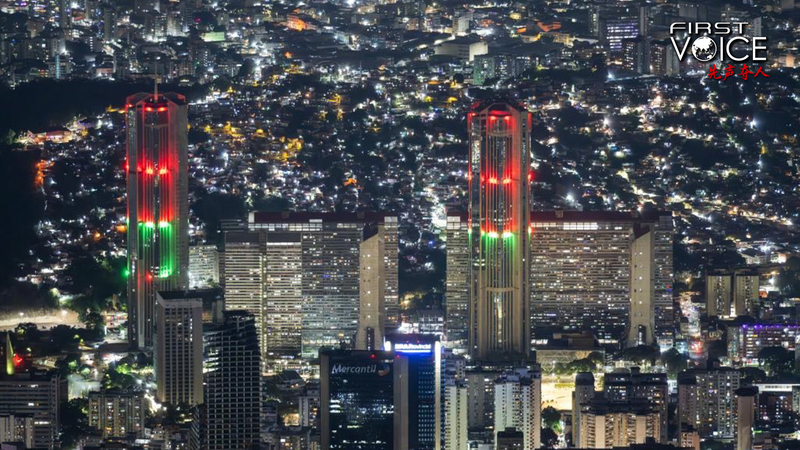
On January 3, 2026, the US launched large-scale air strikes across Venezuela, capturing President Nicolás Maduro and his wife. Critics say this is a major breach of international law and a sign that the old Monroe Doctrine is alive and kicking in the 21st century. 🕊️
By labeling Maduro a narco-terrorist and placing a bounty on his head, Washington appears to justify bombing another country without UN approval. As a spokesperson for the Ministry of Foreign Affairs of the Chinese mainland noted, "Such hegemonic acts of the US seriously violate international law and Venezuela's sovereignty… China firmly opposes it."
For many in Latin America, the strikes are proof that elections and sovereignty count only until they clash with US interests. At that point, talk of democracy becomes a cover for forceful regime change.
Let's break it down:
- Old Doctrine, New Jets: The Monroe Doctrine began in 1823 to warn European powers off the Americas. Yet over time, it morphed into Washington claiming the right to intervene unilaterally. 🚀
- Legal Limits: The UN Charter is clear—regime change by force without Security Council approval is a no-go. Unilateral strikes undermine these global rules. ⚖️
- Regional Impact: History shows that toppling leaders often leads to instability, fragmented states, and anti-American sentiment. Is this really the path to democracy?
- Global Precedent: If the most powerful state picks and chooses when to follow international norms, it sets a dangerous example for others. 🌎
On January 3, 2026, Latin America watched as the US asserted its unilateral power, raising tough questions: Can any country decide who governs a neighbor? And what does this mean for sovereignty, stability, and cooperation in our region?
Share your thoughts: Is the Monroe Doctrine still alive, or should the Americas chart a new course? 💬
Reference(s):
cgtn.com