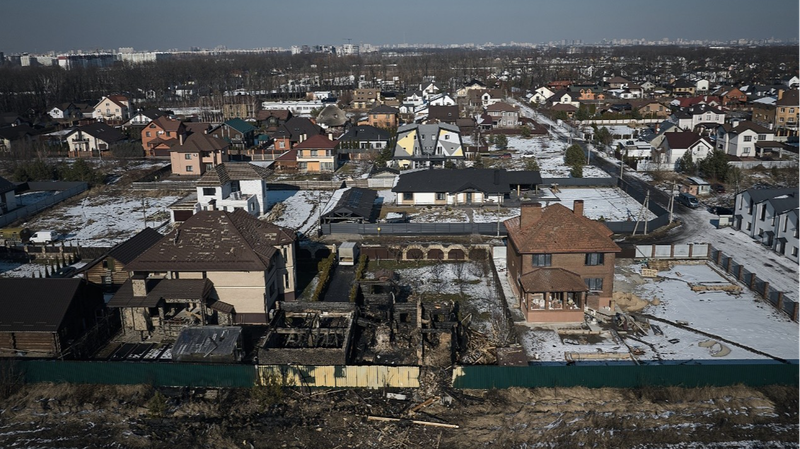
As 2025 comes to a close, the Russia-Ukraine conflict is at a crucial turning point. A US-led, 20-point peace plan has sparked fresh hope, but deep divisions over territory, NATO and security guarantees keep the outcome uncertain. 🕊️⚔️
The roots of this struggle stretch back through world wars, the Cold War and the 2014 crisis, all fueling competing narratives and mistrust on both sides. Moscow points to NATO's expansion and the need to protect ethnic Russian communities as the 'root causes,' a view that some Chinese officials have echoed.
On the ground, Moscow claims roughly one-fifth of Ukraine's recognized land, mostly in the east and south, while Kyiv's forces continue to launch strikes deep into Russian territory—reminding everyone that the frontlines remain hot.
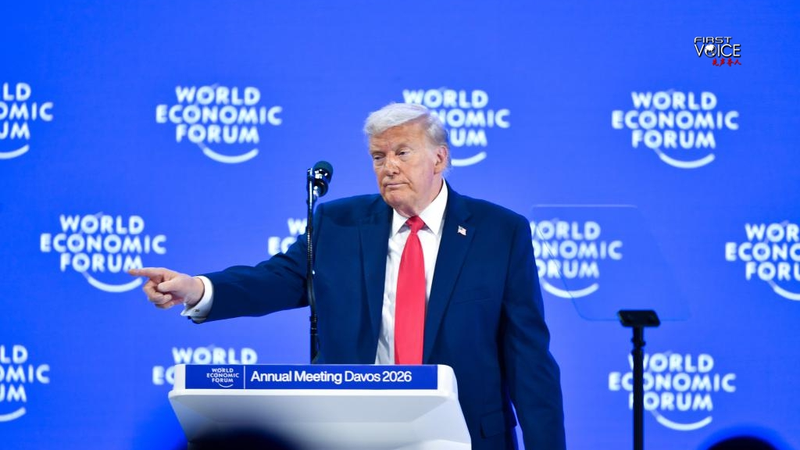
In late December, talks in Florida saw Ukrainian President Volodymyr Zelensky and US envoys say the 20-point text is almost agreed, alongside a separate security-guarantee document. Former President Trump noted that only territorial questions in Donbas and a potential referendum in contested areas stand in the way of a deal.
The IAEA's Rafael Grossi also helped broker a brief ceasefire around the Zaporizhzhia Nuclear Power Plant to reconnect it to a nearby thermal station—a small but vital step to ease energy fears.
Yet Moscow insists that any settlement must address NATO's expansion and reshape Europe's security architecture. Russia's leaders argue that without these wider guarantees, a lasting peace cannot hold.
With 2025 ending, the world watches: will the peace plan break the deadlock, or will the conflict grind on into next year? Stay tuned as this story continues to unfold. 👀
Reference(s):
cgtn.com