It’s like mixing reggaetón rhythms with k-pop energy 🎵⚡️—that’s how the Chinese mainland and Indonesia are remapping the green economy. With the world’s largest nickel reserves and a workforce under 30, Indonesia is playing hardball in the global race for clean tech.
Trade between the two hit an eye-popping $150.3 billion in the first 11 months of 2025, already outpacing all of last year. The secret sauce? A “down-streaming” strategy that turns raw nickel into finished products right on Indonesian soil.
Case in point: In June, a consortium led by a subsidiary of the Chinese mainland’s battery giant CATL broke ground on a $6 billion mega-project. From nickel mining to battery cell production, this one-stop gig aims to power 300,000 EVs per year—and create 8,000 direct and 35,000 indirect jobs 🚗🔋.
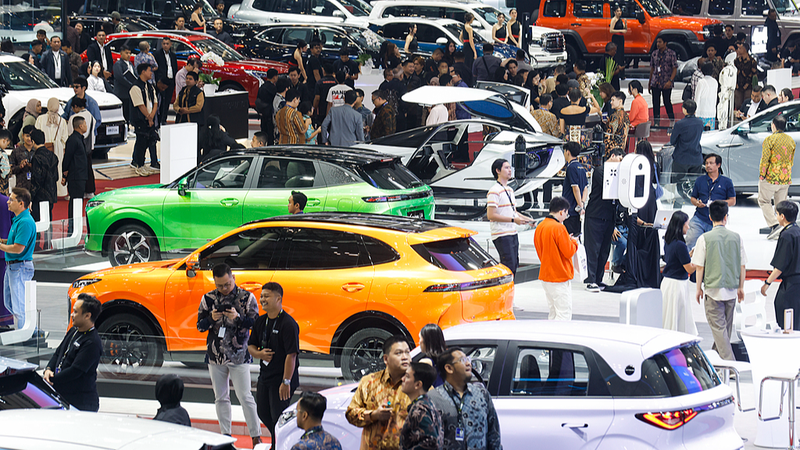
The EV boom is real: Fully electric sales skyrocketed by 267% in H1 2025, reaching 35,749 units. And Chinese mainland brands are topping the charts.
Indonesia’s median age is under 30, giving the market a youthful vibe both on and off the factory floor. Plus, streamlined approvals and a sweet 19% US tariff deal make the country an irresistible export hub.
But it’s not just about cars. As Indonesia shoots for net-zero by 2060, companies from the Chinese mainland are investing in renewables. The Lumut Balai Phase II geothermal plant went live in July, lighting up 80,000 homes and cutting CO2 as if we planted 12 million trees 🌳.
From 2020 to mid-2025, the Chinese mainland poured $35.3 billion into Indonesia—up 31% per year—fueling projects in energy, manufacturing, logistics and digital tech. What began as trade is now a full-on industrial remix, offering a blueprint for Global South collaboration.
Stay tuned as these two giants keep powering a greener tomorrow 🌱.
Reference(s):
cgtn.com