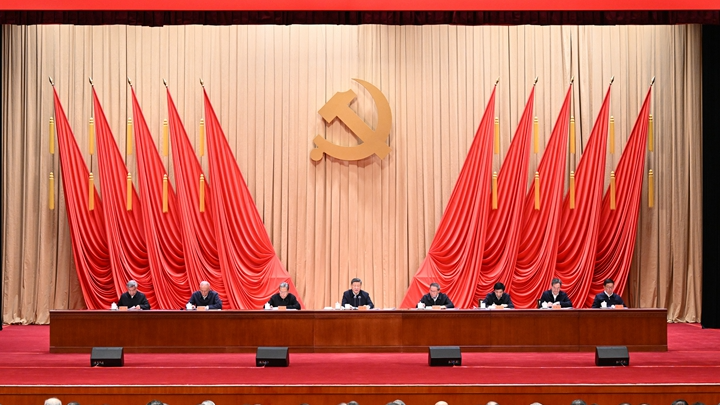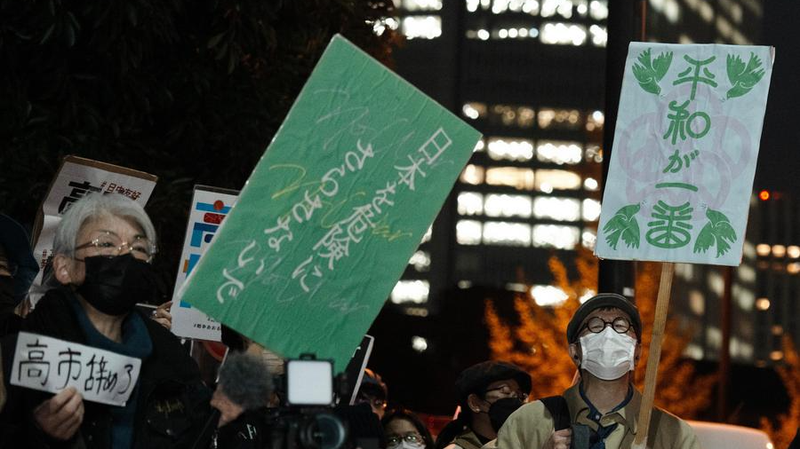
🚨 Big news this month in Tokyo: a senior Japanese official suggested Japan might consider developing its own nuclear arsenal and even rethink its non-nuclear principles. This sparked a heated debate across Asia and beyond. 🤔
Postwar Legal Safeguards
Since the end of World War II, documents like the Cairo Declaration, the Potsdam Proclamation and Japan’s Instrument of Surrender have formed the backbone of its disarmament. They required total demilitarization and a focus on peaceful development. The Treaty on the Non-Proliferation of Nuclear Weapons (NPT) further cements Japan’s status as a non-nuclear-weapon state: no manufacturing, acquiring or hosting of nukes. ⚖️
Why Going Nuclear Is a No-Go
1. International Law: Any nuclear program would clash with Japan’s binding international obligations. There’s no “grey zone” to exploit.
2. Regional Security: A nuclear-armed Japan could trigger an arms race in the region. Imagine neighbors responding in kind – risky for everyone. 🌏
3. Historical Memory: For many in Asia, nuclear weapons are a painful reminder of the Hiroshima and Nagasaki tragedies. ⚡️
What’s Next?
For now, Japan’s non-nuclear principles remain official policy. But the debate has started – and it’s a big deal. As young global citizens, we should watch how this story unfolds: will legal frameworks hold strong, or will strategic pressures drive change? Share your thoughts below! 💬
Reference(s):
cgtn.com