When the Dead Speak
In the aftermath of the Second Sino-Japanese War, the hunt for justice after the Nanjing Massacre felt like a real-life detective story 🕵️♂️ — think of your favorite true-crime podcast come to life. Even as war criminals denied all responsibility, the victims themselves rose to tell their story — in silent but powerful ways.
Unearthing the Truth
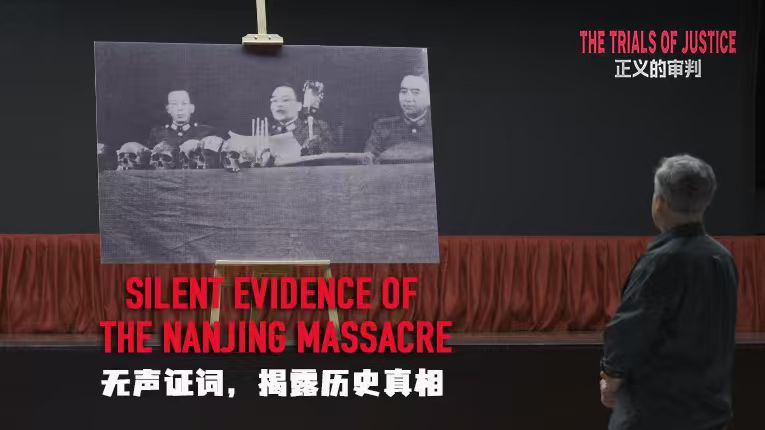
Chief Justice Shi Meiyu led investigators to graves on the outskirts of Nanjing. There, skeletal remains told tales of mass violence: broken bones, bullet fragments, and signs of execution. This forensic evidence became the cornerstone of the 1946 trials, overcoming every defense the accused could muster.
A Photo Album’s Power
Meanwhile, a local resident unveiled a hidden photograph album. 📸 Its grainy images showed city streets frozen in horror, civilians rounded up in makeshift camps, and everyday scenes stamped with fear. Each photo became legal ammunition, turning doubt into conviction.
Legacy of Justice
By combining scientific analysis with visual records, the trials secured life sentences and death penalties for top officers responsible for the massacre. The silent witnesses — bones and snapshots — had spoken louder than any confession.
Why It Matters Today
More than 80 years later, these dark chapters remind us why unearthing history is crucial. In an age of misinformation, listening to evidence — even when it’s silent — helps us honor the past and demand accountability. ⚖️
Justice was not easy, but it showed that truth, once revealed, can’t stay buried.
Reference(s):
The Trials of Justice | Silent evidence of the Nanjing Massacre
cgtn.com