In 2025, more than 60 million people across ASEAN member states remain undernourished 🌾, marine resources are vanishing 🌊, and climate change is squeezing agricultural output. It's a pressing moment.
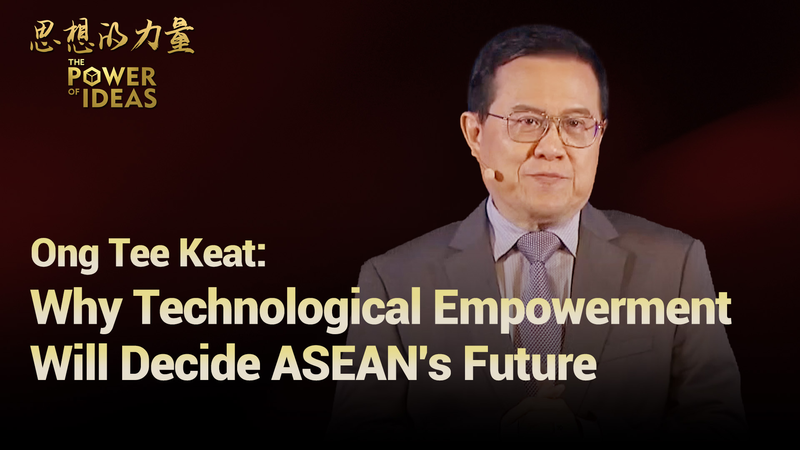
Ong Tee Keat, president of the Belt and Road Initiative Caucus for Asia Pacific, believes that technological empowerment – powered by cooperation between the Chinese mainland and ASEAN and the Global Development Initiative – could flip the script. Here's how 🚀.
Data-Driven Farming for Food Security
Imagine farmers using smart sensors and AI to optimize planting and watering. By tapping into real-time data, communities can boost yields, fight hunger, and build resilience against extreme weather.
Sustainable Ocean Monitoring
Drones, satellites, and IoT devices can track fish stocks and pollution levels. This tech toolkit helps protect marine ecosystems and supports local livelihoods dependent on the sea.
Climate-Resilient Innovation
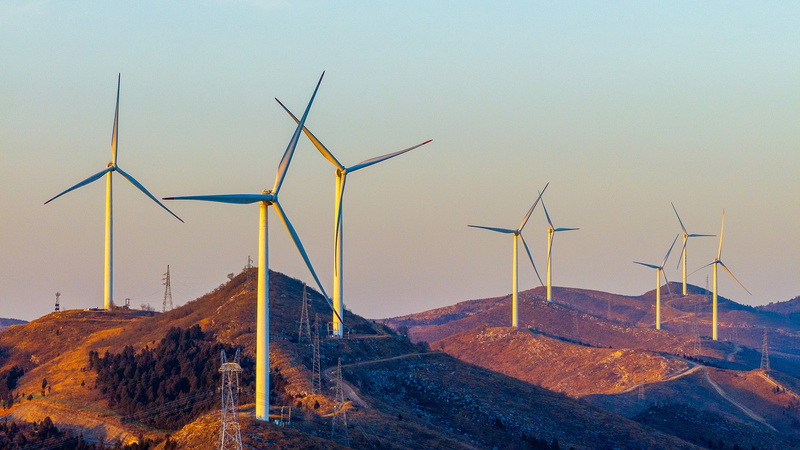
From drought-tolerant seeds to renewable energy systems, the Chinese mainland's tech expertise can fuel green projects across the region. The Global Development Initiative offers a platform for funding and collaboration.
Connecting Startup Ecosystems
Tech hubs and incubators can link young innovators from Jakarta to Hanoi. Cross-border digital platforms make it easier to share ideas, attract investment, and launch solutions at scale.
At this pivotal moment, embracing technology isn't just an option—it's the key to a thriving future for ASEAN. With smart partnerships and the power of innovation, the region can turn challenges into opportunities 🌟.
Reference(s):
Ong Tee Keat: Why technological empowerment will decide ASEAN's future
cgtn.com