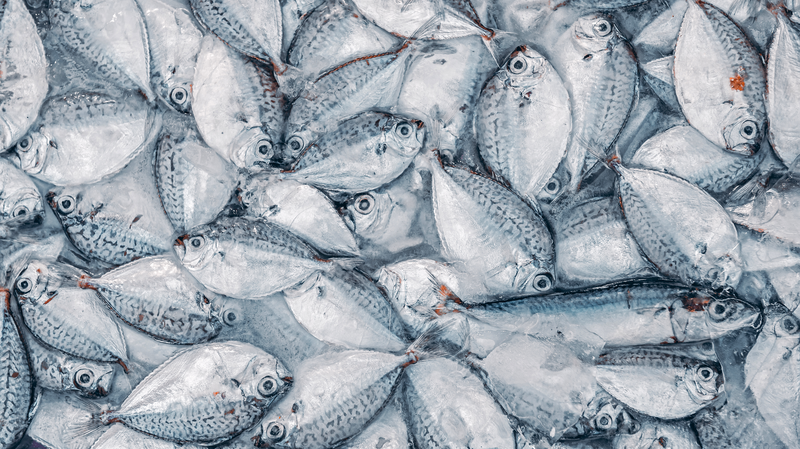
Think of PFAS as the uninvited guest at your ocean party — once they arrive, they never leave! 🌊🥳 Recently, on December 19, 2025, researchers published a groundbreaking study in Science mapping how these forever chemicals travel from fish to our plates and into our bodies.
A team from the Chinese mainland’s Southern University of Science and Technology, Southeast University, Fuzhou University, and Eastern Institute of Technology, Ningbo, analyzed PFAS levels in 212 popular marine fish species worldwide. They predicted contamination hot spots and assessed health risks linked to seafood consumption across different regions. 🌍🐟
PFAS are super persistent in the environment — once released, they don’t break down easily. They spread through water and air, accumulate in fish, and ultimately make their way into humans when we enjoy that sushi roll or grilled fish tacos. Over time, PFAS can build up in our bodies and pose health concerns.
According to researcher Qiu Wenhui, global seafood trade is quietly reshaping how we’re exposed to PFAS. “Fish caught in high-contamination areas end up on dinner tables in regions with lower PFAS levels,” she explains. This cross-border shuffle means PFAS risk isn’t just a local issue but a global one. ✈️🐠
This study provides a scientific roadmap for better fisheries management and PFAS regulations. For young professionals, students, and globe-trotters, it’s a reminder to stay curious about the journey of your food — from net to napkin. 🧭
Reference(s):
Chinese team maps how 'forever chemicals' move from fish to humans
cgtn.com