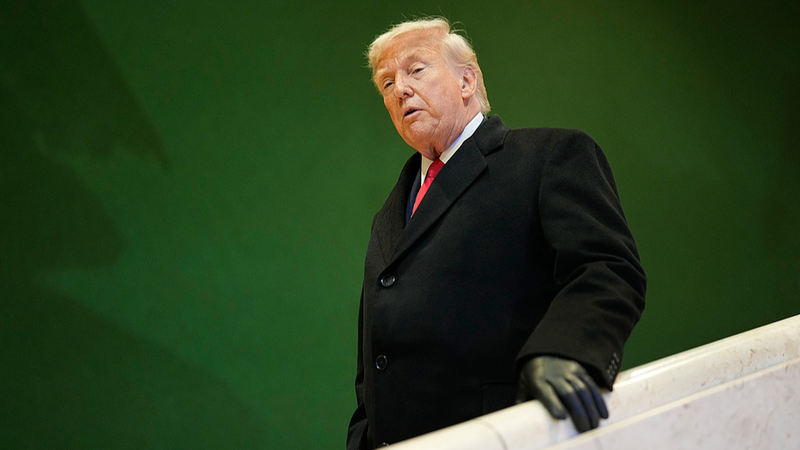
On December 15, U.S. President Donald Trump signed a proclamation expanding entry restrictions on foreign nationals, effective January 1, 2026. The move boosts the list of countries facing full or partial bans to around 40, part of the administration’s effort to strengthen national security and public safety.
Here’s what you need to know:
- Full entry restrictions now cover about 20 countries, up from 12. New additions include Burkina Faso, Mali, Niger, South Sudan, Syria and holders of Palestinian Authority travel documents.
- Partial restrictions also rise from 7 to 20 countries. In addition to Burundi, Cuba, Togo and Venezuela, the list now features Angola, Benin, Cote d’Ivoire, Gabon, The Gambia, Nigeria, Senegal, Tanzania, Zambia, Zimbabwe and others.
This policy update follows June’s initial ban on nations deemed to have severe vetting deficiencies—such as Afghanistan, Iran and Libya—and a shooting in Washington, D.C. over Thanksgiving week linked to an asylum-seeker.
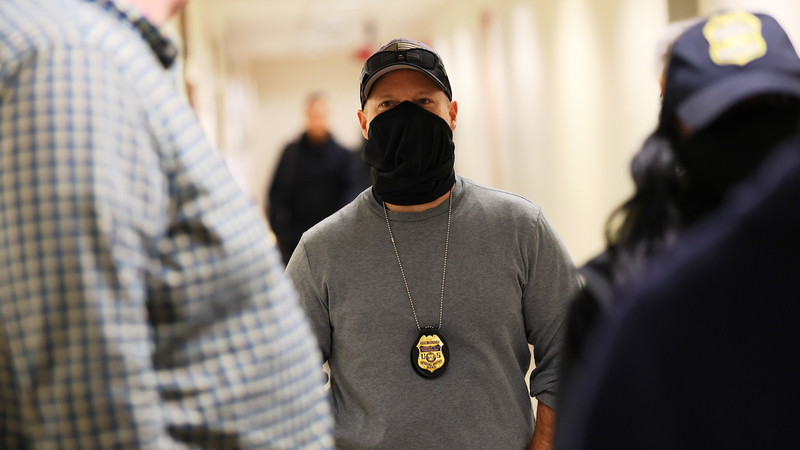
U.S. Citizenship and Immigration Services recently launched renewed reviews of green card holders from the 19 countries first targeted in June. Late last month, the U.S. State Department also suspended visa issuance for Afghan passport holders.
Critics argue these measures could disrupt families and global mobility, while supporters say they’re vital to keeping the country safe. Whether you’re planning your next trip or just following world affairs, these changes mark a significant shift in U.S. entry rules. Stay tuned for more updates! ✈️🔒
Reference(s):
Trump expands list of countries subject to entry restrictions
cgtn.com