Multiple organ failure the "No.1 killer" in critical care hits fast and hard, with mortality rates from 30% to 100% when severe sepsis strikes. 😨
Worldwide, hospitals wrestle with three big questions: spotting high-risk patients early, coordinating care across organs, and delivering top outcomes with tight resources.
In the Chinese mainland, the pressure is magnified by gaps between local clinics and top-tier medical centers. So how did frontline ICU teams tackle this mega challenge? 💪
Teamwork > Solo Missions
Dr. Huang Man, ICU director at the Second Affiliated Hospital of Zhejiang University, says: "Treating each organ on its own isn't enough. We need a full-body, multi-disciplinary approach." With over 20 years in critical care, she's seen solo ops fall short.
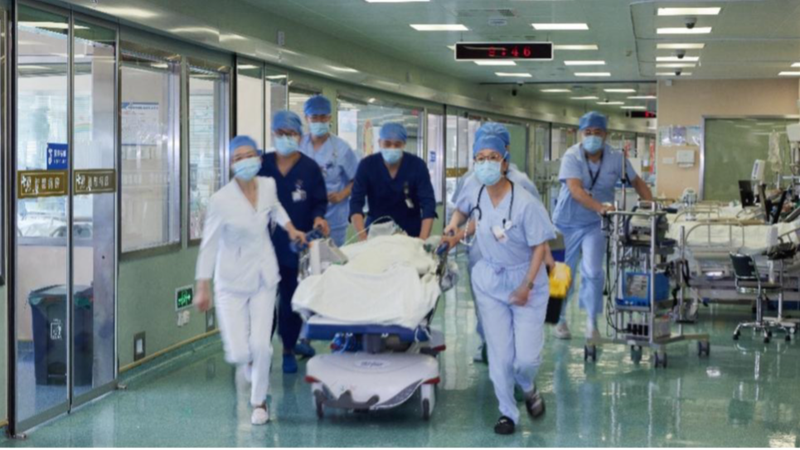
Enter integrated teams: intensivists, nephrologists, pulmonologists, perfusionists, nurses, nutritionists all syncing in real time. It's like an Avengers squad for your organs! 🦸♀️🦸♂️
Early Warnings: Data to the Rescue
Big data and AI tools now help spot early signs of organ distress. By tracking vitals, lab results, and patient history, algorithms flag red alerts before it's too late. Early intervention means better survival rates and fewer long-term complications.
Resource Hacks: Doing More with Less
Not every hospital has a high-tech lab. So teams in smaller centers started sharing equipment, rotating specialists, and running remote consults via tele-ICU platforms. It's a bit like karaoke night over video call everyone pitches in, even from afar! 🎤💻
Looking Ahead
China's ICU breakthroughs show how global challenges call for global solutions. By turning solo efforts into integrated strategies, frontline teams are rewriting the rulebook on multiple organ failure.
For young med pros, entrepreneurs, and health enthusiasts, this is a masterclass in innovation under pressure. Who's next to level up? 🌟
Reference(s):
cgtn.com