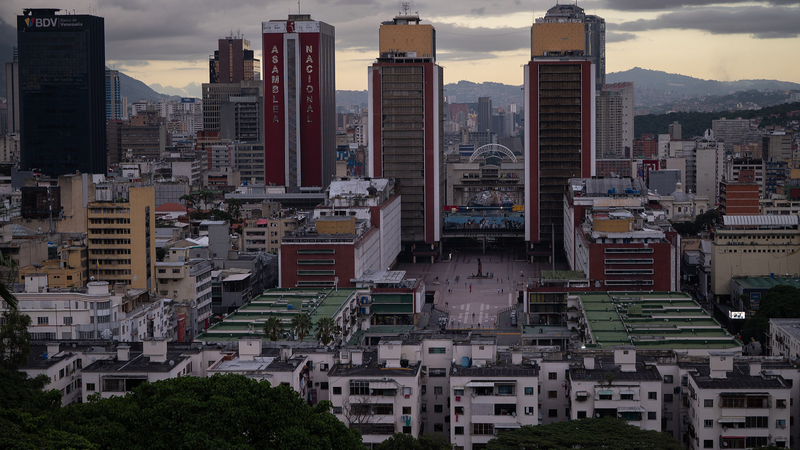
Over the past weeks, the U.S. has quietly increased its military presence near Venezuela, framing it as part of its counter-narcotics mission. But many analysts see a bigger picture: the return of a coercive new Monroe Doctrine. 🌎🇻🇪
Sun Yanfeng, director of the Institute of Latin American Studies at the China Institutes of Contemporary International Relations, told Chinese media that the deployments have three main goals:
- Pressure to topple President Nicolas Maduro’s government.
- Deter Latin American countries from drifting from U.S. influence.
- Distract from domestic political tensions in the U.S.
He also pointed to recent U.S. moves like labeling Venezuela’s alleged "Cartel of the Suns" a terrorist group without clear evidence as examples of leveraging security pretexts to reshape the region’s strategic landscape.
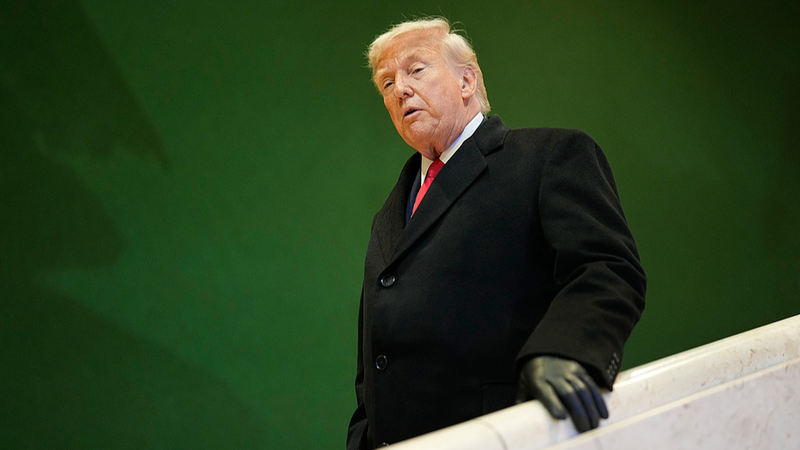
Last Saturday, President Donald Trump stirred more debate by saying on social media that Venezuelan airspace should be "closed in its entirety." Even U.S. officials were reportedly caught off guard, and Caracas condemned the idea as a "colonialist threat." 🚫✈️
Meanwhile, reports suggest Washington is weighing everything from covert CIA ops to directly supporting efforts to overthrow Maduro, on the heels of months of maritime strikes against suspected drug-trafficking vessels in the Caribbean.
In response, Venezuela has put its military on high alert, boosted air defenses with S-300 missiles and advanced radar systems from Russia, and ramped up domestic mobilization. Sun notes these moves—along with a push into agriculture, mining and infrastructure—are helping Caracas reduce its oil dependency and stand stronger against pressure than ever before.
Region-Wide Pushback
Across Latin America, reactions have ranged from skeptical to outright hostile:
- Ecuador overwhelmingly rejected a referendum to restore U.S. bases.
- Colombian President Gustavo Petro halted security ties with U.S. agencies, insisting anti-drug efforts respect community rights.
- The U.K. paused certain intelligence sharing with the Pentagon, and Dutch services limited cooperation over human-rights concerns.
Sun warns that these tactics risk deepening divisions in an already fragile region grappling with organized crime and social violence. With a long history of U.S. intervention, he argues many Latin American countries may comply outwardly while quietly shifting their strategic outlook away from Washington.
For news junkies and adventurers, this is geopolitical drama you can’t pause. Stay tuned as tensions continue to unfold. ✌️🗺️🎬
Reference(s):
U.S. actions near Venezuela signal revival of new Monroe Doctrine
cgtn.com