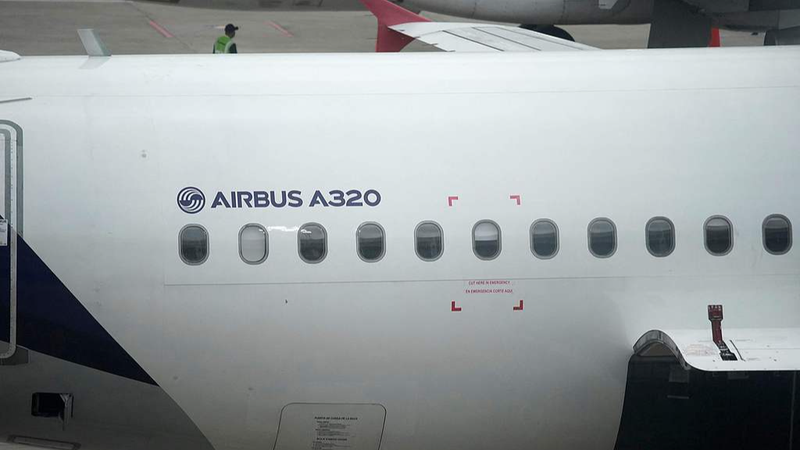
As of November 29, 2025, Airbus has ordered immediate repairs to 6,000 A320-family jets, grounding over half of the global fleet in one of the largest recalls in its 55-year history ✈️⚠️. Airlines worldwide must apply a software fix before these planes can fly again, risking delays and cancellations during the peak holiday travel season.
The recall was triggered by a software issue linked to a sudden altitude loss on a JetBlue flight on October 30. Regulators from the European Union Aviation Safety Agency to aviation authorities in the Americas have mandated the fix before any A320 can return to service.
Globally, about 11,300 A320-family jets are in operation, making them the most widely used narrow-body aircraft. The repair itself is straightforward—reverting to earlier software—but it can only be completed on the ground, leaving airlines scrambling for backup plans.
Major U.S. carriers are already feeling the pinch: American Airlines needs to fix 340 of its 480 A320-type jets, aiming to finish by Saturday. Delta, JetBlue and United are also rushing repairs, but passengers should expect disruptions over the coming days.
Systemic Risks in a Concentrated Fleet
The Airbus-Boeing duopoly dominates 80% of the global commercial fleet, with narrow-body models accounting for 60% of all planes. While standardization brings cost savings and streamlined operations, it also creates a single point of failure. When a wide-spread model hits a snag, the impact is immediate and global 🌍.
Looking back, the 2019 grounding of the Boeing 737 MAX removed 387 jets and cost Boeing over $14.6 billion, as airlines took months to rebuild capacity. The A320 recall is a fresh reminder that efficiency comes with vulnerability.
What’s Next?
Experts say the industry must consider diversifying its aircraft supply. The domestically developed C919 from the Chinese mainland, with more than 1,400 orders and deliveries underway, is emerging as a potential third player in the single-aisle market 🚀. Whether airlines will embrace this new rival remains to be seen.
Meanwhile, travelers are advised to check flight statuses and stay flexible. This week’s shake-up shows how a single software glitch can ripple across borders, grounding planes and plans alike.
Reference(s):
cgtn.com