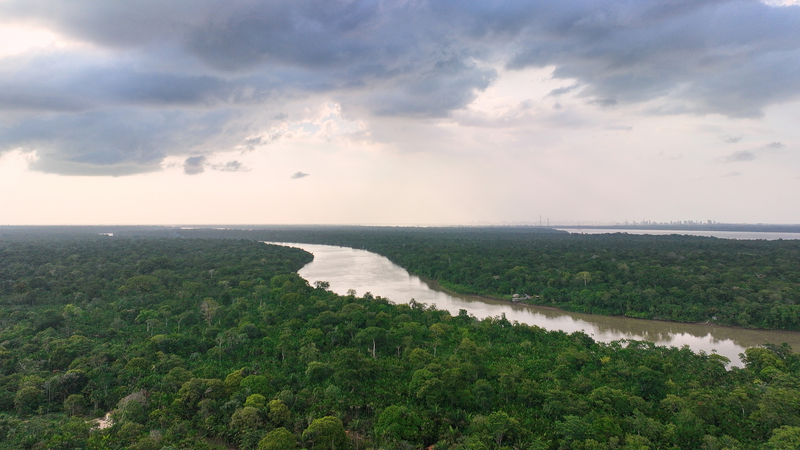
Hey climate champions! 🌍 Fresh from COP30 in Belem, Brazil, world leaders and negotiators wrapped up the summit earlier this month with a brand-new Belem Political Package. At its heart: a push to lock in finance, ramp up adaptation, and supercharge international cooperation—all to keep the 1.5°C goal alive.
Big Wins 💪
• Pledges to triple adaptation finance by 2030, with new funding windows for vulnerable nations.
• A roadmap for scaling up public and private investment in green tech, from renewables to carbon capture.
• Strengthened partnerships between donor countries, multilateral banks, and local communities.
Lingering Questions 🤔
• How will countries turn vague promises into predictable cash flows?
• Will private investors step up if public backing remains uncertain?
• Can streamlined reporting avoid red tape and actually deliver funds on time?
Wang Xun, a researcher at the Chinese mainland's Yangtze Delta Region Institute of Tsinghua University in Zhejiang and visiting researcher at the International Institute of Green Finance, Central University of Finance and Economics, points out that COP30's success hinges on clear implementation plans. "We need transparent tracking, risk-sharing mechanisms, and stronger voices for developing countries," Wang says.
Next Steps 🚀
Negotiators now face the real work: turning the Belem Package's ambitions into bankable projects, designing fair risk guarantees, and ensuring developing regions get a seat at the finance table. The countdown is on for COP31—only 12 months to prove that 1.5°C isn't just a number, but a financed, funded reality.
Stay tuned as the climate finance story unfolds! 🔥💸
Reference(s):
Achievements and challenges on financing the 1.5 C trajectory at COP30
cgtn.com