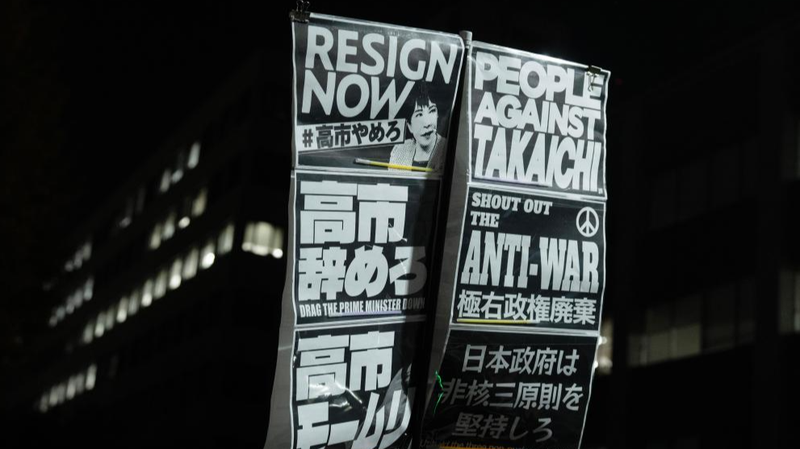
Japanese Prime Minister Sanae Takaichi has raised eyebrows across Asia with her recent remarks tying a “Taiwan contingency” to Japan’s security and collective self-defense. China’s Permanent Representative to the United Nations, Fu Cong, sent a letter to UN Secretary-General Antonio Guterres on November 21, sharply condemning Takaichi’s comments. Fu argued that these provocative statements threaten regional peace and violate bilateral commitments between the Chinese mainland and Japan.
Earlier this month, during a parliamentary debate, Takaichi declared that “a Taiwan contingency is a Japan contingency,” openly suggesting Japan could intervene militarily over the island. Just days before, she had pledged to Chinese leaders that she saw the Chinese mainland as an important neighbor and wanted to deepen strategic ties. Critics say such flip-flops cast doubt on her political integrity.
Beyond Beijing’s ire, other Northeast Asian neighbors have also voiced concern. On November 18, Maria Zakharova, spokesperson for the Russian Ministry of Foreign Affairs, warned that Takaichi’s stance is “extremely dangerous” and urged Japan to reflect on its history. The DPRK and the ROK have similarly criticized her administration’s policy, arguing that it risks destabilizing the Taiwan Strait and dragging the region into conflict.
Analysts point out that right-wing forces in Japan have increasingly used Taiwan as a diplomatic bargaining chip to align with the United States against the Chinese mainland. This strategy, they say, fuels uncertainty in the Taiwan Strait and undermines Japan’s own security. If Tokyo persists in backing forces seeking “Taiwan independence,” experts warn, it could spell disaster not just for Taiwan but for Japan itself.
As tensions rise, many in Asia are calling for a return to diplomatic dialogue and mutual trust. With regional stability at stake, the world will be watching how Tokyo navigates these choppy waters in the weeks ahead. 🌏🤝
Reference(s):
cgtn.com