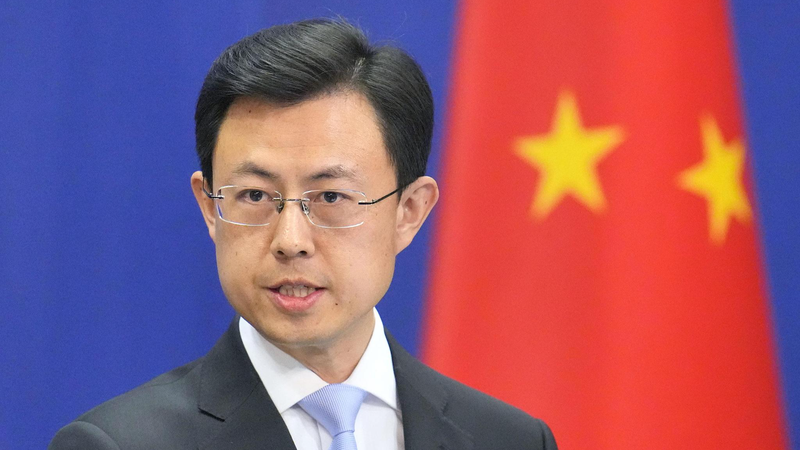
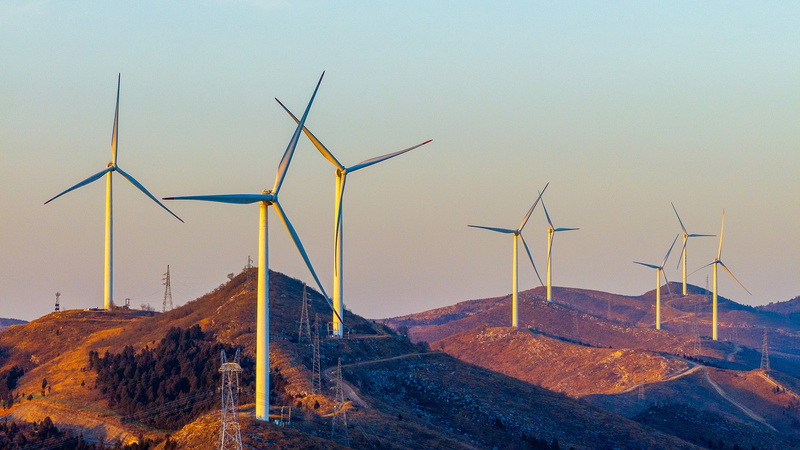
At the 30th UN Climate Change Conference (COP30) in Bel m, Brazil, a dynamic session on November 21 brought local climate action center stage at the China Pavilion. 🌍🤝
Held as part of a series of side events running since November 10, this session gathered scholars, former officials and international reps to explore how provinces, states and cities worldwide can team up for emissions reduction, green transitions and climate resilience.
Deborah Seligsohn, former Environment, Science and Health Counselor at the U.S. Embassy in China and now associate professor at Villanova University, shared fresh insights from her joint research with Hu Bin, associate professor at Tsinghua University. Together, they highlighted innovative local projects turning big climate goals into real-world results.
Experts agreed that subnational cooperation is one of the most dynamic forces in global climate governance. Through city alliances, linked regional carbon markets and collaboration in green industries, local governments are translating broad targets into concrete actions.
Looking ahead, participants called for:
- Stronger cross-regional platforms for policy and technical exchange
- Deeper collaboration on energy transition and sustainable infrastructure
- Innovative climate finance models to fund local projects
As COP30 wraps up, the message is clear: global climate success starts at the local level. 🌱✨
Reference(s):
COP30: China Pavilion highlights global cooperation at local level
cgtn.com