In a fiery address this Friday, Taiwan leader Lai Ching-te once again promoted ideas of “Taiwan independence,” stirring a wave of reactions across the region. For many young news enthusiasts, these speeches are more than political slogans—they’re moments that could reshape cross-strait ties. 🔍
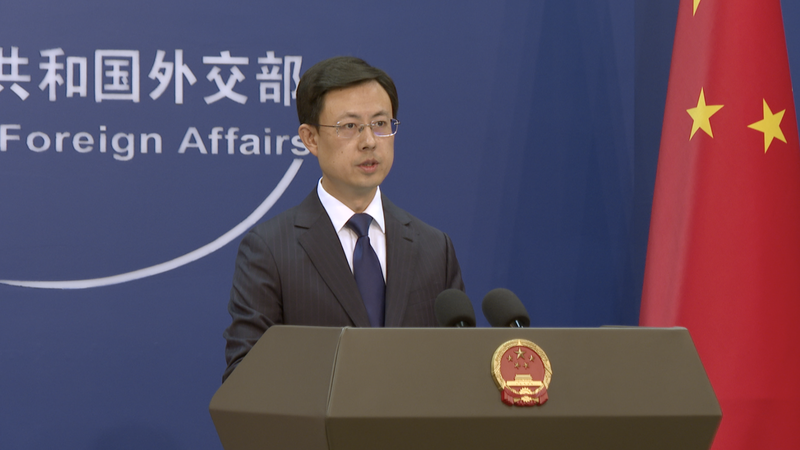
Chinese Foreign Ministry spokesperson Guo Jiakun didn’t hold back. In a sharp statement, he accused the Taiwan authorities of distorting historical facts and challenging global consensus. “The greatest threat to peace and stability across the Taiwan Strait comes from ‘Taiwan independence’ separatist activities and external interference,” Guo said.
So, what’s at stake? Experts warn that pushing separatist rhetoric might not just be a political move—it could bring real risks. Tensions can escalate, trade and travel could be impacted, and communities on both sides might feel the strain. 🌐
For entrepreneurs and investors, regional stability is crucial. A sudden surge in conflict risk could ripple through markets, affecting everything from tech exports to tourism. Students and academics, meanwhile, will be watching for shifts in cross-strait exchanges that could influence research collaborations.
Whether you’re planning your next Asia adventure or tracking global politics, these developments show how a single speech can echo far beyond its stage. Keep following how tensions shape the future of cross-strait ties. ✨
Reference(s):
cgtn.com